What to Expect During Your First Home Care Visit
Key Highlights
- The first home care visit is focused on assessment, comfort, and building trust
- Care plans are personalized based on health needs, routines, and safety risks
- Family involvement is encouraged during the initial visit
- Caregivers and care coordinators work together to ensure smooth transitions
- Real-world examples show how first visits set the foundation for successful care
Starting home care for a loved one is a major step. Whether it’s due to aging, recovery after hospitalization, or managing a chronic condition, families often feel a mix of relief and uncertainty before the first visit.
Understanding what to expect during your first home care visit can ease anxiety and help families feel more prepared and confident. This initial visit is not just about services—it’s about building trust, understanding needs, and creating a safe and supportive care environment.
Why the First Home Care Visit Matters
The first visit is the foundation of all future care. It helps caregivers understand the client’s:
- Physical health needs
- Emotional and social well-being
- Home environment and safety risks
- Daily routines and preferences
From a clinical perspective, this visit functions as an informal assessment combined with relationship-building. In our professional experience, we’ve consistently seen that strong first visits lead to better long-term care outcomes and higher family satisfaction.
First Home Care Visit: What to Expect
Step 1: Introduction and Building Rapport
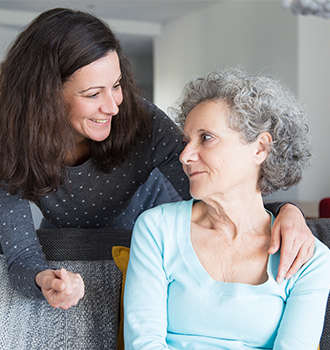
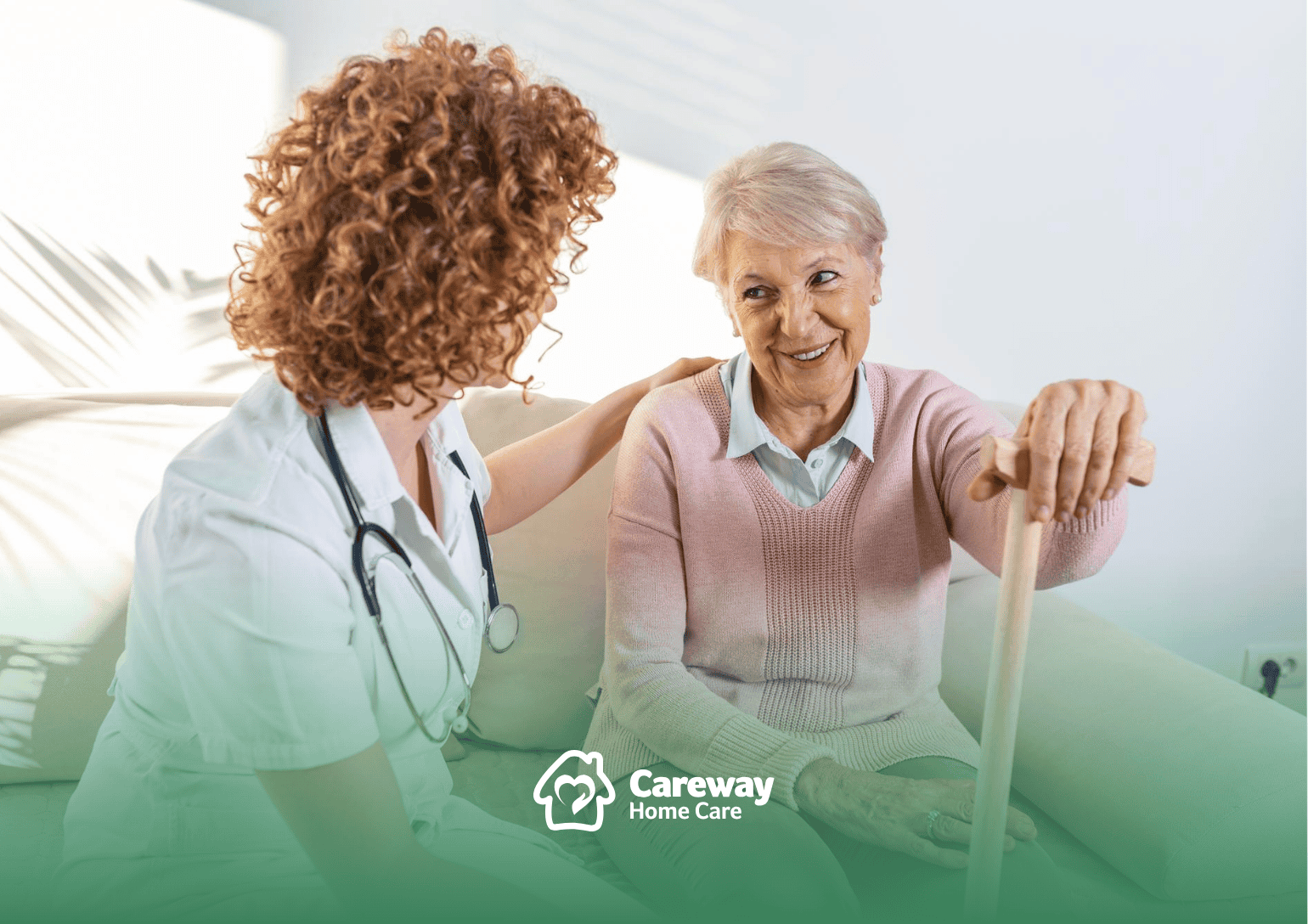
The visit usually begins with introductions between the caregiver, care coordinator, the client, and family members.
What happens during this stage:
- Friendly introductions and conversation
- Explanation of the caregiver’s role
- Discussion of expectations and goals
Why it matters: Trust is essential in home care. Seniors often feel vulnerable, allowing someone into their personal space. Establishing rapport early helps reduce anxiety.
Real Example: We once supported a senior client who was initially hesitant about receiving care. During the first visit, the caregiver spent extra time discussing shared interests like gardening. That simple connection immediately eased tension and set a positive tone for future visits.
Step 2: Home Environment Assessment
A key part of the first visit is evaluating the home for safety and accessibility.
Caregivers typically look for:
- Fall hazards (loose rugs, cluttered walkways)
- Bathroom safety risks
- Lighting issues
- Accessibility of commonly used items
Why this matters: According to studies, most in-home accidents among seniors are fall-related. Identifying risks early can significantly reduce injury.
Common Safety Recommendations
| Area | Common Risk | Suggested Adjustment |
|---|---|---|
| Bathroom | Slippery floors | Install grab bars, mats |
| Living room | Loose rugs | Secure or remove rugs |
| Bedroom | Poor lighting | Add night lights |
| Kitchen | High shelves | Reorganize for accessibility |
Professional Insight: In our assessments, we often find that small environmental changes, like better lighting, can dramatically improve senior confidence and mobility.
Step 3: Health and Medical Review
The caregiver or coordinator will review the client’s medical background.
Topics may include:
- Current diagnoses
- Medications and schedules
- Recent hospitalizations
- Mobility limitations
- Cognitive status
Why this is important: This helps ensure that care is aligned with medical needs and reduces risks like medication errors.
Real Example: In one case, a family did not realize their loved one was missing doses of medication due to confusion with timing. During the first visit, the caregiver identified the issue and helped create a structured medication reminder system.
Step 4: Understanding Daily Routines
Home care is most effective when it fits into a senior’s lifestyle—not disrupts it.
Caregivers often ask:
- What time do you wake up and sleep?
- What meals do you prefer?
- Do you have hobbies or routines you enjoy?
- What activities make you feel comfortable or stressed?
Why it matters: Maintaining familiar routines helps reduce confusion, especially for seniors with cognitive decline.
Care Insight: We’ve seen that seniors respond better when care aligns with their personal rhythm rather than a rigid schedule.
Step 5: Creating the Personalized Care Plan
After gathering all information, a care plan is developed.
A typical care plan includes:
- Daily care tasks
- Medical support needs
- Meal preparation preferences
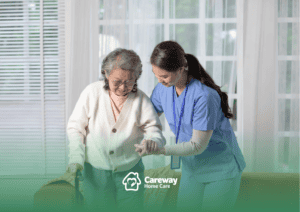
- Mobility assistance
- Social engagement activities
Key Principle: Care plans are not static—they are adjusted over time based on feedback and progress.
Example Care Plan Snapshot
| Category | Support Provided |
|---|---|
| Personal care | Bathing, grooming support |
| Nutrition | Meal preparation |
| Mobility | Assistance walking safely |
| Companionship | Daily conversation & games |
| Safety | Home hazard monitoring |
Professional Insight: In our practice, we’ve found that families feel more confident once they see how structured yet flexible the care plan is.
Step 6: Caregiver Assignment and Matching
Matching the right caregiver is one of the most important steps.
Factors considered:
- Personality compatibility
- Language and communication style
- Experience with specific conditions
- Cultural or personal preferences
Why it matters: A good match improves trust, communication, and long-term consistency.
Real Example: A senior client with dementia responded significantly better when paired with a caregiver who used calm, slow communication and familiar storytelling techniques. This match reduced agitation episodes.
Step 7: Family Involvement and Communication
Family members are often encouraged to participate in the first visit.
Their role includes:
- Sharing concerns and expectations
- Providing medical and lifestyle history
- Asking questions about care procedures
Communication plan:
Care teams usually establish:
- Regular updates
- Emergency contact procedures
- Progress reporting schedules
Care Insight: Families who stay engaged in the early stages of care tend to experience smoother transitions and fewer misunderstandings later on.
Step 8: Emotional Support and Adjustment Period
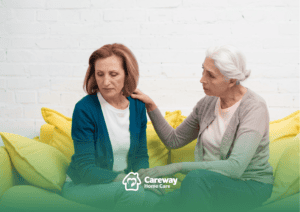
Starting home care can be emotionally challenging for seniors.
Common emotions:
- Anxiety about change
- Fear of losing independence
- Relief that help is available
Caregiver approach:
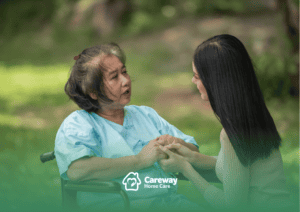
- Patience and reassurance
- Encouraging independence where possible
- Gradual introduction of assistance
Professional Observation: We’ve seen that seniors often warm up within the first 1–3 visits when caregivers approach them with empathy and consistency.
Step 9: Setting Expectations for Future Visits
Before ending the first visit, caregivers clarify:
- Frequency of visits
- Types of services provided
- Emergency procedures
- How updates will be shared
Why this matters: Clear expectations reduce confusion and help families feel secure moving forward.
Common Misconceptions About the First Home Care Visit
Many families have concerns before starting care.
Misconception vs Reality
| Misconception | Reality |
|---|---|
| Care is immediately clinical and strict | First visit is relaxed and relationship-focused |
| Seniors lose independence | Care is designed to support independence |
| Families are excluded | Families are encouraged to participate |
| Changes happen instantly | Care is adjusted gradually over time |
How Families Can Prepare for the First Visit
Preparation can make the visit smoother and more productive.
Helpful steps:
- List current medications
- Note any concerns or goals
- Prepare questions for caregivers
- Ensure a comfortable environment
Care Insight: Families who prepare even a simple list of concerns often report feeling more in control and less stressed.
The Importance of First Impressions in Home Care
The first visit sets the tone for the entire care relationship.
From a professional standpoint, we’ve observed that:
- Trust is built within the first hour of interaction
- Clear communication reduces future misunderstandings
- Emotional comfort improves cooperation
A successful first visit is less about tasks and more about connection.
What Happens After the First Visit
After the initial assessment:
- Care plan is finalized
- Caregiver assignments begin
- Follow-up visits are scheduled
- Adjustments are made based on feedback
Care is always evolving based on real-life needs.
Final Thoughts
Understanding what to expect during your first home care visit helps families feel more confident and prepared. It is not just a service introduction—it is the beginning of a supportive relationship focused on dignity, safety, and independence.
At the heart of this process is a commitment to personalized care. Every senior is different, and every care plan should reflect that uniqueness.
At Careway Home Care, we’ve seen firsthand how a thoughtful, well-structured first visit can transform uncertainty into comfort and hesitation into trust. Reach out today!
Frequently Asked Questions
1. What happens during the first home care visit?
During the first home care visit, a caregiver or care coordinator assesses the client’s health, daily routines, and home environment. They also focus on building trust, discussing care needs, and beginning the development of a personalized care plan.
2. How long does the initial home care visit usually last?
The first visit typically lasts between 60 and 90 minutes, depending on the client’s needs. This allows enough time for introductions, assessment, and answering any questions from the family.
3. Should family members be present during the first visit?
Yes, family involvement is highly encouraged. Family members can provide valuable insights about the client’s medical history, preferences, and concerns, helping create a more accurate and effective care plan.
4. Will care start immediately after the first visit?
In many cases, care may begin shortly after the initial visit, but it depends on the agency and the client’s needs. The first visit is mainly focused on assessment and planning, with services starting once everything is properly arranged.
5. How can I prepare for a first home care visit?
You can prepare by gathering important information such as medication lists, medical history, and daily routines. It’s also helpful to write down questions or concerns to discuss with the caregiver during the visit.
Sources:
- https://pmc.ncbi.nlm.nih.gov/articles/PMC3672844/
- https://www.aarp.org/caregiving/home-care/safety-tips/
- https://www.nia.nih.gov/health/aging-place/home-safety-tips-older-adults
- https://www.ncoa.org/article/hidden-home-hazards-older-adults-more-likely-to-die-from-falls-and-fires/
- https://www.nia.nih.gov/health/advance-care-planning