How Professional Caregivers Improve Quality of Life for Seniors
Key Highlights
- Professional caregivers help seniors with daily tasks like bathing, meals, and medication so they can stay safe and comfortable at home.
- Trained caregivers reduce falls, missed medications, and hospital visits through close, day-to-day support.
- Regular companionship helps prevent loneliness, which is closely linked to depression, faster cognitive decline, and worse overall health.
- In-home care lets seniors age in place, keeping their independence and routines instead of moving to a facility.
- Family members get real relief and time back, reducing burnout and making visits enjoyable again.
- Care plans are flexible — a few hours a week or full-time, and they can change as needs change.
Watching a parent or spouse get older is hard. The signs build up slowly: the fridge looks emptier, the laundry piles up, they’re not eating much, they seem withdrawn. You start to worry. You wonder if it’s time to bring in help, and you wonder how they’ll take it.
A professional caregiver can change all of that. Not by taking over a senior’s life, but by quietly making each day easier, safer, and more enjoyable. A good caregiver helps with what’s hard and gives back the energy for what still matters — visiting friends, gardening, watching the game, and going to church.
This guide explains how trained caregivers improve quality of life for seniors, what changes you can expect to see, and how to know when it’s time to reach out.
Why Quality of Life Often Drops in Later Years
There’s no single reason older adults start to struggle. Usually, several things stack up at once:
- Pain and reduced mobility make everyday tasks tiring
- Memory changes, from mild forgetfulness to dementia
- Loneliness after retirement, the loss of a spouse, or kids moving away
- Taking five or more medications a day, which raises the risk of mistakes
- Eating less because cooking for one feels pointless
- Slow recovery after hospital stays or falls
These things tend to feed each other. Less cooking leads to weight loss. Weight loss leads to weakness. Weakness leads to a fall. A fall leads to fear of falling again, so the senior stops going out. That leads to loneliness, which often turns into depression. Each step makes the next more likely.
A good caregiver breaks that chain, often before families realize how far it’s gone.
What a Professional Caregiver Actually Does
A caregiver is more than an extra set of hands. They help with personal care by assisting with bathing, grooming, dressing, and getting in and out of bed safely. They also provide home support through light cleaning, laundry, grocery shopping, and cooking real, balanced meals instead of toast and tea. Caregivers monitor health by noticing small changes, such as a cough, less appetite, or moments of confusion, that often come before a serious problem. They also provide medication reminders to make sure the right pills are taken at the right time every day.
Beyond physical support, caregivers offer companionship through conversation, shared activities, and simply being a familiar face during long days. In many cases, they also provide transportation to doctor appointments, the pharmacy, church, or the grocery store. When one consistent, trusted person handles these responsibilities, the impact on a senior’s well-being can be significant.
Physical Health Benefits You’ll See
Most families notice real changes within a few weeks of starting care.
- Better nutrition. Caregivers prepare regular, balanced meals and make sure your loved one stays hydrated. We’ve seen seniors who were quietly losing two to three pounds a month gain back healthy weight within two months.
- More movement. Caregivers encourage daily walks and safe exercise, which helps seniors hold on to their strength and avoid becoming wheelchair-bound earlier than they need to be.
- Stronger immunity and faster recovery. With consistent sleep, hygiene, and meals, seniors get sick less often and bounce back faster when they do.
- Fewer infections and skin issues. Pressure sores, urinary tract infections, and dental problems often show up when daily care slips. Caregivers prevent most of these just by handling the basics every day.
- Better disease management. For diabetes, heart failure, COPD, or Parkinson’s, daily routines matter a lot. A caregiver who knows your loved one will spot a swollen ankle or unusual breathing early and flag it before it becomes a hospital trip.
Mental and Emotional Health Improvements
Loneliness is one of the most underestimated health risks for older adults. Research has linked chronic loneliness to higher rates of dementia, heart disease, stroke, and earlier death, with some studies suggesting its effect on the body is similar to smoking up to 15 cigarettes a day.
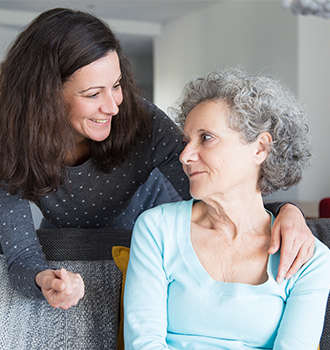
Even a few hours of friendly, focused human contact each day can ease depression and anxiety, slow cognitive decline, and bring back hobbies, conversation, and laughter. Over time, that consistent companionship can help a senior feel more like themselves again.
Families often tell us their loved one seems “more like the old them” within the first month or two. Nothing dramatic changes overnight. Someone simply shows up, pays attention, and treats them like a person worth knowing.
Safety: Falls, Hospital Visits, and Medication Errors
Falls are the leading cause of injury and injury-related death for Americans over 65, and the fear of falling alone at home is one of the biggest reasons seniors consider leaving their homes.
Caregivers help reduce that risk in practical ways by removing tripping hazards, improving lighting, assisting with bathing, transfers, and stairs, and making sure proper shoes and mobility aids like walkers or canes are used. They also encourage safe daily movement to support strength and balance, and are present in case of an emergency.
One serious fall, such as a broken hip, can cost more than a year of in-home care. More importantly, it can mean weeks of pain and a long recovery that is not always complete.
Medication errors are another common risk. Many seniors take five or more prescriptions daily, and some medications must be taken at specific times, with food, or with caution due to interactions. A caregiver who understands the routine helps catch issues early and prevent them from becoming emergencies.
Aging in Place: Why Staying Home Matters
Almost 9 in 10 older adults say they want to stay in their own homes as they age. With the right support, most can, including many seniors with dementia, Parkinson’s, or recovery needs after a stroke.
Staying home isn’t only about comfort. It’s usually less expensive than long-term facility care, and it tends to produce better health and emotional outcomes. Familiar surroundings, steady routines, and personal items around them all help seniors feel calmer and more in control.
A Real Example From Our Practice
A few months ago, we started working with an 82-year-old man in eastern Pennsylvania. His wife had passed away two years earlier. His daughter lived three hours away and was driving in on weekends, getting more and more worried.
When we met him, he was eating mostly toast and tea. He had stopped taking his blood pressure medication regularly. He hadn’t left the house in nearly three weeks. He had just been hospitalized for dehydration.
We started small — three-hour visits, four times a week. We matched him with a caregiver who shared his interest in baseball and had a calm, patient personality. On her first visit, she didn’t push. She made him a real lunch, sat at the table while he ate it, and watched the Phillies game with him.
A month in, he was eating three meals a day and taking his medications correctly. By month three, he was going to a weekly community lunch his caregiver had suggested. His daughter told us he laughed at his birthday for the first time in two years.
That’s what professional caregiving looks like in real life. Not dramatic, just steady, skilled, kind attention.
Quality-of-Life Improvements at a Glance
| Area | Without Care | With a Professional Caregiver |
|---|---|---|
| Nutrition | Skipped meals, weight loss | Balanced meals, stable weight |
| Medication | Missed or doubled doses | Reliable schedule, errors caught early |
| Mobility | Sedentary days, muscle loss | Daily movement, falls prevented |
| Mood | Isolation, low spirits | Companionship, more engagement |
| Hygiene | Skipped baths, skin problems | Daily care, fewer infections |
| Family stress | Burnout, exhaustion | Real rest, better visits |
| Mental engagement | Long days alone | Conversation, outings, hobbies |
| Hospital readmissions | Higher risk | Lower risk through monitoring |
How to Tell When It’s Time for Help
Most families wait too long. They hold off until something happens, like a fall, a hospital stay, or a kitchen fire, when the warning signs were there earlier. Watch for these:
- Changes in personal appearance or hygiene
- Empty fridge, expired food, or piled-up mail
- Unexplained bruises
- Confusion about familiar tasks like operating the microwave
- Repeated phone calls, forgetting they just called
- Weight loss, withdrawal, or low mood
- A family caregiver who’s burned out or getting sick
If you notice two or three of these, it’s time to talk. The best results happen when care starts before a crisis, not after one. Starting small also lets your loved one build trust with the caregiver and grow more comfortable over time.
Helping Your Loved One Live Better at Home
Quality of life in older age comes down to small, daily things done well: good meals, safe movement, the right medications on time, real companionship, and being treated with respect. Professional caregivers make all of those things possible at home.
If you’re watching a parent or spouse struggle with the day-to-day demands of aging, you don’t have to figure it out alone. Careway Home Care provides compassionate, professional in-home support for seniors aging in place, families needing reliable care, and adult caregivers looking for trusted respite throughout Pennsylvania and the surrounding communities. Our caregivers are carefully screened, well-trained, and personally matched to each client, with care plans that grow as needs change.
Contact Careway Home Care today for an in-home consultation, and let us help your loved one live better, safer, and happier at home.
Frequently Asked Questions
1. How many hours of caregiving does my loved one need?
It depends on what they need help with and how much family support is already in place. Some seniors do well with 8 to 12 hours a week of companionship and basic help. Others — especially those with dementia or recovering from surgery — need full-time care. A good agency will visit your home, talk with you and your loved one, and recommend a starting point. The plan can change anytime as needs shift.
2. Does Medicare or insurance pay for home care?
Traditional Medicare usually only covers short-term medical home health after a hospital stay — not ongoing non-medical care. But long-term care insurance, VA Aid and Attendance benefits, certain Medicaid waiver programs in Pennsylvania, and private pay are common ways families cover home care. A reputable agency can walk you through the options that apply to your situation.
3. What’s the difference between a home health aide and a caregiver?
A home health aide usually provides short-term, medical-related care after a doctor orders it — for example, after a hospitalization. A professional caregiver provides ongoing non-medical help: bathing, meals, transportation, companionship, and daily support. Many families use both at different points.
4. How do you make sure the caregiver is a good fit?
Personality match matters as much as skills. A good agency takes time to learn your loved one’s hobbies, faith, language, and temperament before assigning a caregiver. They should also be willing to switch caregivers if it’s not clicking. Consistency is just as important — most seniors do best with the same one or two trusted caregivers, not a different person every day.
5. Won’t my parents feel like they’re losing their independence?
Usually, it’s the opposite. With steady help, seniors actually do more — they go out more, see friends more, and stay active longer. The caregiver isn’t there to take over. They’re there to make independence possible. How you talk about it matters too: it’s not about what they can’t do anymore, it’s about having a partner who helps them keep doing what they love.
Sources:
- https://www.hopkinsmedicine.org/health/caregiving/being-a-caregiver
- https://pmc.ncbi.nlm.nih.gov/articles/PMC5831910/
- https://www.cdc.gov/falls/data-research/facts-stats/index.html
- https://www.ncoa.org/aging-well/
- https://medicine.yale.edu/news-article/improving-quality-of-care-for-older-adults/