Preparing the Home for a Senior’s Return from Hospital

Key Highlights
- Proper home preparation reduces post-hospital complications and readmission risk
- Safety modifications are essential for fall prevention and mobility support
- Medication management and follow-up care must be organized before discharge
- Real caregiving cases show that small home adjustments significantly improve recovery outcomes
- Emotional readiness and family coordination are just as important as physical setup
When a senior is discharged from the hospital, the transition back home is a critical stage in recovery. Many families assume that leaving the hospital means healing is complete—but in reality, the first days and weeks at home are often the most vulnerable period.
Without proper preparation, seniors face increased risks of falls, medication errors, infections, and even hospital readmission. However, with the right planning and environment setup, recovery can be safer, smoother, and more comfortable.
This guide explains how to prepare the home for a senior’s return from the hospital, supported by real caregiving insights, expert recommendations, and practical examples from home care experiences.
Why Home Preparation Matters After Hospital Discharge
Hospital stays are structured, supervised, and medically supported environments. Once a senior returns home, that level of monitoring significantly decreases.
Common post-discharge risks include:
- Falls due to weakness or dizziness
- Missed or incorrect medication doses
- Infection risks from wounds or surgical sites
- Poor nutrition or dehydration
- Confusion or cognitive disorientation
Clinical insight: In home care practice, we’ve seen that the majority of readmissions within 30 days are linked to preventable issues at home—especially falls and medication mismanagement. Preparing the home in advance is one of the most effective ways to reduce these risks.
Step 1: Review Discharge Instructions Carefully
Before the senior arrives home, families should thoroughly review all hospital discharge documents.
Key information to look for:
- Medication schedule and dosage
- Activity restrictions (lifting, walking, bathing)
- Wound care instructions
- Follow-up appointment dates
- Warning signs of complications
Real-world example: In one case we supported, a family missed a key instruction about limited weight-bearing after hip surgery. This led to unnecessary strain during early recovery. Once corrected, mobility was adjusted, and healing improved significantly.
Insight: Hospital discharge instructions are often detailed but overwhelming. A trained caregiver or nurse can help interpret them and translate them into a daily home routine.
Step 2: Create a Safe Mobility Environment
Mobility is one of the biggest concerns after hospital discharge, especially for seniors recovering from surgery, stroke, or illness.
Home modifications to consider:
- Remove loose rugs and clutter
- Ensure clear walking paths
- Install grab bars in bathrooms
- Use non-slip mats in high-risk areas
- Ensure adequate lighting in hallways and bedrooms
Example from caregiving experience: We once assisted a client recovering from knee surgery who experienced near-falls in the bathroom. After installing grab bars and a shower chair, mobility confidence improved dramatically, and no further incidents occurred.
Step 3: Set Up a Recovery-Friendly Bedroom
The bedroom becomes the primary recovery space during the initial days after discharge.
Recommended setup:
- Bed at a safe height for easy entry and exit
- Medical supplies within reach (medications, water, phone)
- Night lighting for safe nighttime movement
- Comfortable pillows for positioning support
- Easy access to mobility aids (walker, cane)
Insight: In professional home care, we often reposition bedrooms temporarily to the ground floor for seniors with limited mobility. This significantly reduces stair-related fall risks during early recovery.
Step 4: Organize Medication Management
Medication errors are one of the leading causes of post-hospital complications.
Best practices:
- Use a pill organizer labeled by day/time
- Maintain a written medication chart
- Set alarms or reminders
- Keep an updated list of prescriptions
- Avoid duplicate dosing confusion
Sample Medication Management System
| Time | Medication | Purpose | Notes |
|---|---|---|---|
| Morning | Blood pressure medication | Heart health | Take with food |
| Afternoon | Antibiotic | Infection prevention | Complete the full course |
| Evening | Pain management | Post-surgery comfort | Avoid driving |
Real example: We worked with a family where two caregivers unintentionally gave overlapping pain medication doses. After implementing a centralized medication chart, errors were eliminated.
Step 5: Prepare for Personal Care Needs
After hospitalization, seniors often need assistance with daily activities.
Common support needs:
- Bathing and hygiene assistance
- Dressing and grooming
- Toileting support
- Mobility assistance
- Wound care (if applicable)
Caregiving insight: Many families are surprised by the level of dependence immediately after discharge. In our experience, even previously independent seniors often require full temporary assistance during the first week.
Step 6: Ensure Proper Nutrition and Hydration
Recovery requires proper nourishment to support healing and energy restoration.
Nutrition tips:
- Prepare easy-to-digest meals
- Focus on protein-rich foods for healing
- Ensure adequate hydration
- Avoid heavy or hard-to-chew foods initially
- Follow dietary restrictions from the hospital
Real-world example: A post-stroke patient we supported showed delayed recovery due to poor appetite at home. Once caregivers introduced small, frequent meals and hydration reminders, energy levels improved within days.
Step 7: Prepare the Family for Emotional Adjustment
Returning home after a hospital stay can be emotionally overwhelming for seniors.
Common emotional responses:
- Anxiety about recovery
- Fear of falling or reinjury
- Frustration with dependence
- Confusion (especially in dementia patients)
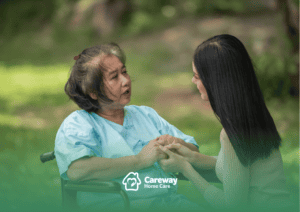
Caregiver insight: We’ve seen that emotional reassurance is just as important as physical care. Simple actions like sitting with the patient, talking calmly, and maintaining routine can significantly reduce anxiety.
Step 8: Coordinate Follow-Up Care
Post-discharge care does not end at home—it continues through medical follow-ups.
Important steps:
- Schedule follow-up appointments before discharge if possible
- Arrange transportation assistance
- Track symptoms or changes daily
- Communicate updates to healthcare providers
Insight: In coordinated home care environments, caregivers often serve as the communication bridge between families and doctors, ensuring early detection of complications.
Step 9: Arrange Support Systems at Home
Families should not attempt to manage recovery alone.
Support options include:
- Professional caregivers
- Physical therapists
- Visiting nurses
- Family care schedules
- Emergency contact systems
Real example: In one case, a rotating family care schedule initially led to inconsistent support. Once a professional caregiver was introduced, continuity improved recovery outcomes and reduced family stress significantly.
Step 10: Prevent Hospital Readmission
Preventing readmission is a key goal of post-hospital home care.
Common causes of readmission:
- Falls and injuries
- Medication mismanagement
- Infections
- Dehydration or malnutrition
- Lack of follow-up care
Prevention strategies:
- Daily monitoring of symptoms
- Strict medication adherence
- Safe home environment
- Early reporting of warning signs
Step 11: Prepare Emergency Plans
Even with proper preparation, emergencies can occur.
Emergency readiness checklist:
- Keep emergency contacts visible
- Know the nearest hospital location
- Have transport options ready
- Prepare a basic first aid kit
- Monitor warning symptoms (fever, confusion, pain escalation)
Insight: In professional caregiving settings, emergency protocols are always reviewed before hospital discharge transitions to ensure rapid response if needed.
Step 12: Understand the First Week at Home
The first week is often the most critical phase of recovery.
What families should expect:
- Fatigue and low energy
- Slow mobility progress
- Emotional sensitivity
- Gradual improvement over time
Real-world insight: We’ve consistently observed that seniors improve most noticeably after the first 7–10 days, once routines stabilize and pain management becomes consistent.
Final Thoughts
Preparing the home for a senior’s return from the hospital is about more than just physical adjustments—it is a comprehensive process involving safety, communication, emotional support, and medical coordination.
Families who plan significantly reduce the risk of complications and create a more comfortable and confident recovery environment for their loved ones.
From years of home care experience, we’ve seen that successful recovery depends on three core elements: preparation, consistency, and support. When these are in place, seniors are far more likely to heal safely and regain independence.
For families seeking guidance or hands-on assistance during this transition, Careway Home Care provides trained caregivers who specialize in post-hospital recovery support, home safety monitoring, and daily living assistance tailored to each client’s needs. Contact us today!
Frequently Asked Questions
1. How soon should I prepare the home before hospital discharge?
Ideally, home preparation should begin a few days before discharge to ensure safety modifications and supplies are ready.
2. What is the most important home safety change after hospitalization?
Removing fall hazards and installing mobility support, such as grab bars, is one of the most critical steps.
3. Do seniors always need a caregiver after hospital discharge?
Not always, but many seniors benefit from temporary caregiver support, especially after surgery or serious illness.
4. How can I prevent hospital readmission at home?
Focus on medication adherence, safe mobility, nutrition, and monitoring for warning signs of complications.
5. What should I do if my loved one refuses help at home?
Use patience, reassurance, and gradual assistance. Emotional adjustment is common after hospitalization.
Sources:
- https://pmc.ncbi.nlm.nih.gov/articles/PMC10768323/
- https://pmc.ncbi.nlm.nih.gov/articles/PMC4873238/
- https://www.usmedicine.com/clinical-topics/geriatrics/hospital-discharge-leaves-many-older-adults-vulnerable-to-medication-errors/
- https://americanmedicalcompliance.com/general/common-medication-errors-in-older-patients-and-how-to-prevent-them/