Pennsylvania Spring Activities for Seniors at Home
Key Highlights
- Simple, safe spring activities can improve seniors’ physical health, mood, and cognitive function
- Many Pennsylvania-inspired activities can be adapted for indoor or at-home settings
- Caregiver-supported routines help maintain independence while reducing fall risk
- Sensory, creative, and light physical activities support overall well-being
- Real-life caregiving examples show how small daily activities make a big difference
Spring in Pennsylvania brings longer days, blooming flowers, and a renewed sense of energy. For seniors, especially those receiving care at home, this season is the perfect opportunity to introduce gentle, engaging activities that support both physical and emotional well-being.
However, not every senior can safely enjoy outdoor activities due to mobility challenges, chronic conditions, or safety concerns. That doesn’t mean they have to miss out. With the right approach, Pennsylvania spring activities for seniors at home can be just as fulfilling, while offering comfort, safety, and familiarity.
This guide explores practical, evidence-informed, and caregiver-approved activities that promote independence and joy, all from the comfort of home.
Why Spring Activities Matter for Seniors
As people age, staying active becomes essential for maintaining mobility, cognitive function, and emotional health. According to research, regular engagement in light physical and social activities can:
- Reduce the risk of depression and anxiety
- Improve balance and coordination
- Support memory and cognitive sharpness
- Enhance overall quality of life
From our experience working with seniors, we’ve consistently seen that even small daily activities—like tending to indoor plants or doing light stretching—can significantly improve mood and engagement levels.
Spring naturally encourages this shift toward activity, making it an ideal time to refresh routines.
Adapting Pennsylvania Spring Activities for At-Home Living
Pennsylvania is known for its scenic parks, gardening culture, and seasonal festivals. While not all seniors can participate in these activities outdoors, many can be adapted for home environments.
Here’s how:
- Bring nature indoors (plants, flowers, sunlight exposure)
- Modify physical activities to be chair-based or low-impact
- Use technology for virtual tours or family connections
- Focus on sensory engagement (smell, touch, sound)
The goal is not to replicate outdoor experiences exactly—but to capture the feeling of spring in a safe and accessible way.
1. Indoor Gardening and Plant Care
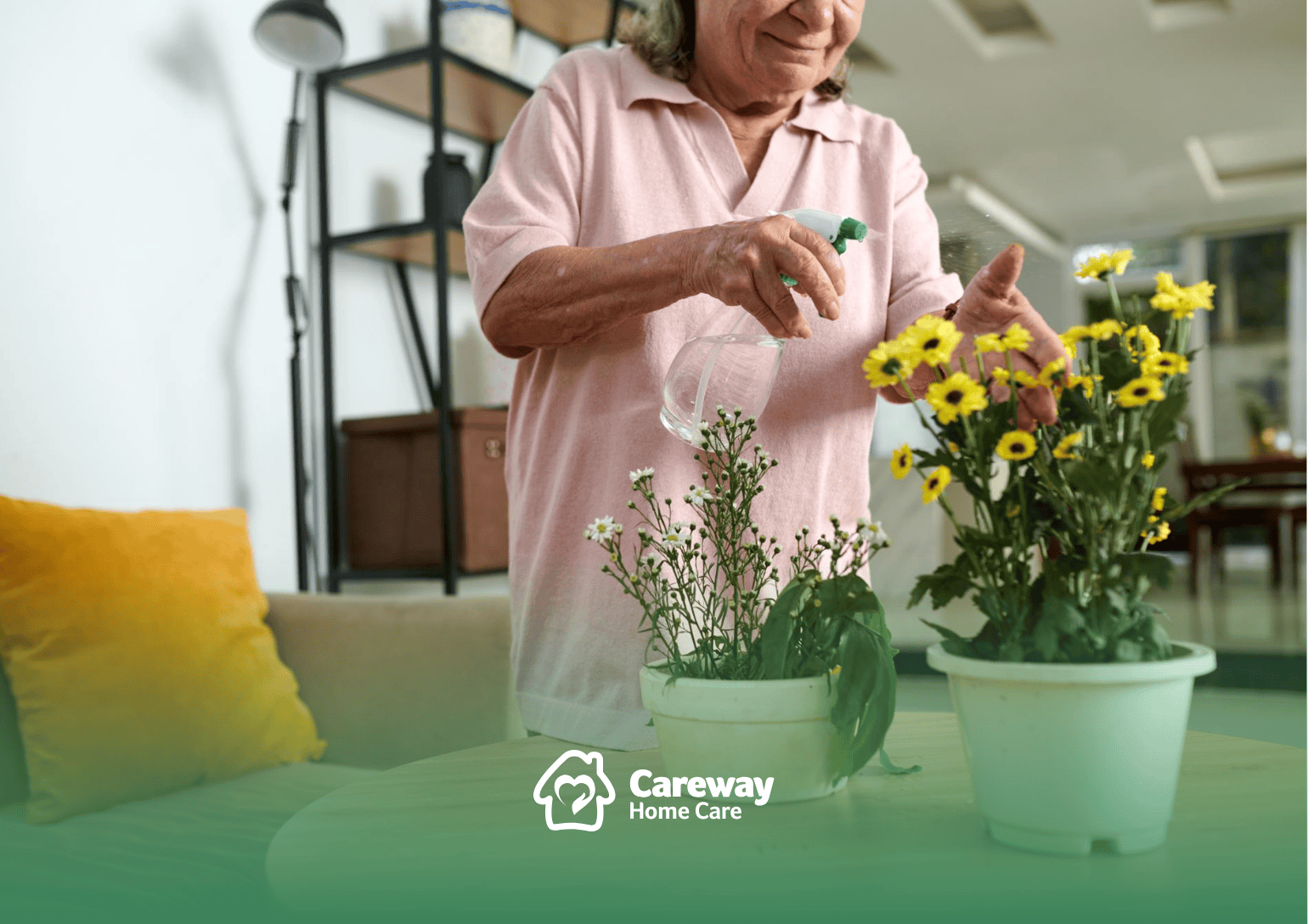
Gardening is one of the most popular spring activities in Pennsylvania—and it translates beautifully to indoor settings.
Benefits:
- Encourages routine and responsibility
- Improves fine motor skills
- Provides sensory stimulation
Easy Ideas:
- Start a small herb garden (basil, mint, parsley)
- Use low-maintenance plants like succulents
- Create a windowsill flower arrangement
Real Example: In our caregiving sessions, we’ve worked with seniors who struggled with motivation. Introducing a simple watering routine for houseplants gave them a renewed sense of purpose. One client began tracking plant growth daily, which also supported cognitive engagement.
2. Spring-Themed Arts and Crafts
Creative expression is a powerful way to stimulate the brain and improve emotional well-being.
Activity Ideas:
- Painting spring landscapes
- Making greeting cards for family
- Flower arranging using artificial or fresh blooms
- DIY bird feeders
Why It Works: Art activities activate different parts of the brain and can be especially beneficial for seniors with cognitive decline.
Care Insight: We’ve seen seniors with early-stage dementia become more communicative during art sessions. The visual and tactile elements often help unlock memories and conversations.
3. Light Exercise and Stretching Routines
Physical activity is essential, but safety comes first. Spring is a great time to introduce gentle routines.
Recommended Activities:
- Chair yoga
- Light stretching
- Resistance band exercises
- Walking indoors or on a porch
Safety Tips:
- Always supervise if fall risk is present
- Use supportive footwear
- Keep hydration nearby
Sample Weekly Routine
| Day | Activity | Duration |
|---|---|---|
| Monday | Chair yoga | 15 mins |
| Tuesday | Light stretching | 10 mins |
| Wednesday | Indoor walking | 15 mins |
| Thursday | Resistance band workout | 10 mins |
| Friday | Balance exercises | 10 mins |
| Saturday | Dance or movement music | 15 mins |
| Sunday | Rest or gentle stretching | 10 mins |
Real Example: One senior we worked with regained confidence in walking after starting a 10-minute daily indoor walking routine. Over time, this reduced their fear of falling and improved their independence.
4. Spring Cleaning (Simplified and Safe)
Spring cleaning doesn’t have to be overwhelming. For seniors, it’s more about participation than completion.
Safe Tasks:
- Sorting clothes or photos
- Organizing small drawers
- Wiping surfaces while seated
Benefits:
- Encourages movement
- Provides a sense of accomplishment
- Supports cognitive organization
Professional Tip: Break tasks into 10–15 minute sessions to prevent fatigue.
5. Cooking and Seasonal Recipes
Spring foods, like fresh fruits, vegetables, and light meals, can inspire enjoyable kitchen activities.
Easy Ideas:
- Preparing fruit salads
- Baking simple treats
- Making sandwiches or snacks
Why It Matters: Cooking promotes independence and supports nutritional awareness.
From Practice: We’ve observed that seniors who participate in meal prep are more likely to eat regularly and maintain better nutrition.
6. Virtual Tours and Pennsylvania Experiences
Technology can bring Pennsylvania’s spring attractions right into the home.
Options:
- Virtual museum tours
- Nature livestreams (gardens, parks)
- Video calls with family
Benefits:
- Reduces isolation
- Encourages curiosity
- Keeps seniors mentally stimulated
Example: A client who could no longer travel enjoyed weekly virtual “trips” with a caregiver. These sessions became a highlight of their routine and sparked meaningful conversations.
7. Music and Memory Activities
Music has a strong connection to memory and emotional health.
Spring-Themed Ideas:
- Listening to nature sounds
- Creating playlists of favorite songs
- Singing sessions
Benefits:
- Improves mood
- Reduces anxiety
- Encourages social interaction
Care Insight: We’ve seen music help seniors reconnect with long-term memories, especially those living with dementia.
8. Social Engagement at Home
Social interaction remains crucial, even when staying indoors.
Ideas:
- Phone or video calls with family
- Small group activities with caregivers
- Storytelling sessions
Why It Matters: Isolation can lead to depression and cognitive decline.
Real-Life Observation: Seniors who maintain regular social contact—even virtually—tend to show better emotional resilience and engagement.
Creating a Personalized Spring Routine
Every senior has unique needs, preferences, and abilities. A personalized approach ensures activities are both enjoyable and safe.
Consider:
- Mobility level
- Cognitive ability
- Personal interests
- Medical conditions
Sample Daily Routine:
- Morning: Light stretching + breakfast prep
- Midday: Gardening or crafts
- Afternoon: Rest + music or virtual tour
- Evening: Social call or relaxation
Professional Insight: Consistency is key. We’ve found that seniors thrive when they have predictable routines with small variations to keep things interesting.
Safety Considerations for At-Home Activities
While encouraging activity, safety should always be the top priority.
Key Tips:
- Remove tripping hazards
- Ensure proper lighting
- Use assistive devices when needed
- Monitor fatigue levels
Caregivers play a crucial role in balancing independence with supervision.
The Role of Caregivers in Spring Activities
Caregivers are essential in facilitating safe and meaningful activities.
Responsibilities:
- Adapting activities to ability levels
- Providing encouragement
- Monitoring safety
- Creating structured routines
From our experience, seniors are more likely to stay engaged when caregivers actively participate and show enthusiasm.
Supporting Independence Through Seasonal Engagement
Spring is more than just a season—it’s an opportunity to refresh routines, reconnect with joy, and promote independence.
By incorporating Pennsylvania spring activities for seniors at home, families and caregivers can create a supportive environment that encourages both physical and emotional well-being.
At Careway Home Care, we’ve seen firsthand how small, consistent activities can transform a senior’s daily life. Whether it’s nurturing a plant, enjoying music, or simply sharing a conversation, these moments build confidence, independence, and happiness. Contact us today!
Frequently Asked Questions
1. What are the safest spring activities for seniors at home?
Low-impact activities like chair exercises, indoor gardening, and arts and crafts are among the safest options. Always consider mobility and health conditions.
2. How can I keep a senior engaged if they have limited mobility?
Focus on seated activities such as music therapy, puzzles, painting, and virtual experiences. Engagement doesn’t require physical movement.
3. Are spring activities helpful for seniors with dementia?
Yes. Sensory activities like music, gardening, and art can improve mood and stimulate memory in seniors with dementia.
4. How often should seniors participate in activities?
Daily engagement is ideal, even if activities are short (10–20 minutes). Consistency matters more than duration.
5. Can caregivers help with these activities?
Absolutely. Caregivers play a key role in adapting activities, ensuring safety, and encouraging participation.
Sources:
- https://visitpago.com/spring/
- https://www.cdc.gov/physical-activity/features/boost-brain-health.html
- https://www.visitpa.com/blog/post/gardens-and-arboretums-pennsylvania/
- https://www.arttherapistsathome.com/blog/crafts-for-seniors
- https://www.cottagelitchfield.com/blog/technology-for-seniors
- https://www.hbrhc.com/blog/music-therapy-for-memory-care