Common Misconceptions About Senior Home Care
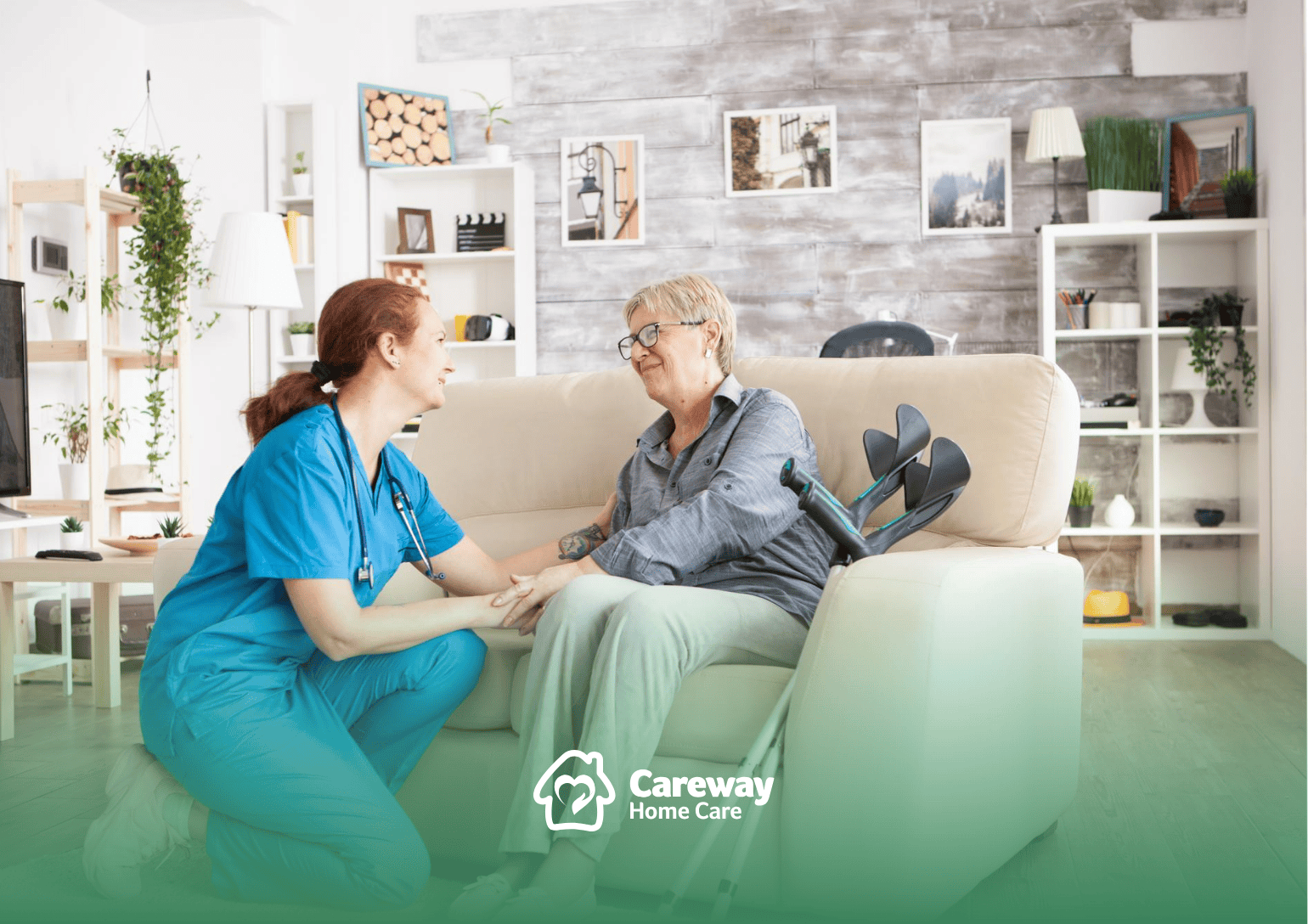
Key Highlights
- Many families hesitate to choose senior home care because of persistent myths and misunderstandings.
- Senior home care isn’t only for very ill or dependent adults — it benefits seniors at many stages of aging.
- Myths about cost, independence loss, and lack of professionalism in home care are widespread but inaccurate.
- Home care can enhance social engagement, safety, and quality of life when delivered by trained professionals.
- Understanding the facts can help you make informed decisions about care options for loved ones.
Caring for aging loved ones is one of life’s most important responsibilities — and it’s a decision that often comes with questions, concerns, and unfortunately, misconceptions. Senior home care plays a crucial role in helping older adults age safely and comfortably in familiar surroundings, yet many families hesitate to explore this option due to myths that don’t reflect reality.
In this extensive guide, we’ll debunk the most common misconceptions about senior home care, explain the truth behind each myth, and help you feel confident in understanding what home care truly offers.
What Is Senior Home Care?
Before we dismantle misconceptions, it’s important to understand what senior home care actually involves. Broadly, home care services provide personalized support right in the comfort of a loved one’s home. This can range from help with daily activities to companionship, wellness monitoring, and more — all tailored to fit individual needs and preferences.
Contrary to popular belief, home care is not limited to one type of client or one level of need — it’s a flexible model that adapts as needs change over time.
Myth #1: Senior Home Care Is Only for the Very Sick or Frail
Perhaps the most widespread myth is that home care is only for seniors who are bedridden, critically ill, or completely dependent. In reality, home care can benefit adults at many points in the aging process — even those who are relatively independent but need support with specific areas like meal prep, errands, or light housekeeping.
Truth:
- Many seniors seek home care early on to prevent decline, reduce the risk of accidents, and maintain overall well-being.
- Support can start small (like weekly check‑ins or companionship) and scale up as needs evolve.
- Home care is proactive, not just reactive.
This flexibility makes senior home care a viable option for a wide spectrum of clients — from those needing minimal assistance to those requiring more comprehensive support.
Myth #2: Home Care Means Losing Independence
Another common fear is that inviting help into the home means a senior will lose control over their life and daily routine.
Truth:
- Home care services are designed to enhance independence, not take it away.
- Caregivers assist with tasks that have become challenging — like bathing, dressing, or medication reminders — so seniors can continue doing what they enjoy.
- The senior remains in charge of their schedule, preferences, and routines, with care supporting their choices.
Rather than diminishing autonomy, the right care plan allows seniors to maintain decision‑making power and dignity while staying safe and comfortable.
Myth #3: Home Care Is Too Expensive
Cost is one of the biggest deterrents families cite when considering senior home care — but price assumptions are often based on myths rather than facts.
Truth:
- Home care can be more affordable than facility‑based care because you only pay for the care needed, not for room, board, and constant supervision.
- Home care allows flexibility; services can be hourly, part‑time, or full‑time depending on needs, helping families manage expenses.
- Additionally, some long‑term care insurance plans, veterans’ benefits, and community resources may help offset costs. While availability varies, these options can make home care even more accessible.
When compared to the fixed monthly costs of assisted living or skilled nursing facilities, tailored home care often presents a better value for many families.
Myth #4: Caregivers Aren’t Professional or Trustworthy
Many people fear letting strangers into the home — especially to care for someone they love — and think professional home care providers lack training or accountability.
Truth:
- Reputable agencies conduct rigorous background checks, vetting, and training for all caregivers.
- Caregivers are matched to clients based on needs, personality, and preferences to build rapport and trust.
- Many caregivers are experienced, certified, insured, and monitored regularly to ensure consistent, compassionate care.
The right provider emphasizes professionalism, safety, and relationship building — turning what might feel like a risk into a trusted, supportive partnership.
Myth #5: Seniors Will Be Socially Isolated With Home Care
Some believe that home care means seniors will be isolated from family and community, unlike in group living settings such as assisted living facilities.
Truth:
- Home caregivers provide companionship, engagement, and encouragement for social activities.
- Care plans often include going to community events, visiting friends and family, or participating in hobbies and local programs.
- In many cases, quality one‑on‑one interaction leads to a deeper social connection rather than feeling lost in a larger facility setting.
Home care does not mean solitude — it can be a catalyst for richer social engagement.
Myth #6: Home Care Is Only Short‑Term
Some assume that home care is only appropriate temporarily — for example, after surgery or during recovery — and not a long‑term solution.
Truth:
- Home care can be short‑term, long‑term, or intermittent, depending on needs.
- Many seniors receive years of care at home, with services adjusting as health, mobility, and lifestyle change.
- Long‑term home care allows continuity in a familiar environment and supports consistent routines and well‑being.
Rather than being a temporary fix, home care often forms the core of ongoing support for seniors aging in place.
Myth #7: Home Care Is Identical to Home Health Care
Another misconception is that all home care services are clinical or that clinical care is necessary for all clients.
Truth:
- Home care generally refers to non‑medical assistance like daily living support, housekeeping, errands, and companionship.
- Home health care includes medical services provided by licensed professionals such as nurses or therapists.
- While both support aging at home, their functions and qualifications differ — and they can complement each other depending on needs.
Recognizing this distinction helps families choose the right mix of services without overestimating what home care alone provides.
Common Home Care Myths vs. Reality
| Misconception | Reality |
| Home care is only for very sick seniors | It benefits seniors with diverse needs, including light support and companionship. |
| It erodes a senior’s independence | It supports autonomy and choice in daily life. |
| Home care is prohibitively expensive | Flexible plans can be cost‑effective compared to facilities. |
| Caregivers aren’t trustworthy | Reputable agencies vet and train caregivers thoroughly. |
| Seniors will be isolated | Caregivers aid social engagement and outings. |
| Home care is only short‑term | It can be long‑term and adaptable. |
| Home care equals medical care | They serve different functions and may complement each other. |
How to Move Past Misconceptions
Understanding the realities behind these common myths helps families make confident, informed decisions about senior care. Here are some tips for separating fact from fiction:
- Ask questions: Don’t hesitate to ask providers about caregiver qualifications, training, and care plans.
- Seek transparent pricing: Request detailed cost breakdowns to compare services objectively.
- Talk to other families: Personal experiences can provide insight beyond general assumptions.
- Get a professional assessment: A care professional can help determine what services truly match your loved one’s needs.
Ultimately, knowing the truth about senior home care empowers you to choose support that respectfully enhances safety, independence, and quality of life.
Final Thoughts
Choosing the right care for a loved one is never easy, but understanding the truth behind common misconceptions about senior home care can make a big difference.
If you’re exploring high‑quality, compassionate home care services that prioritize dignity, independence, and comfort, Careway Home Care is a trusted agency committed to personalized support tailored to each individual’s needs. Reach out today!
FAQs About Senior Home Care
1. Is senior home care only for people with serious health issues?
No, home care supports a range of needs, from light assistance to more comprehensive care, depending on a senior’s situation.
2. Will home care cost more than a nursing home?
Not necessarily. Because home care is tailored to individual needs and hours, it often costs less than facility‑based care when you consider what you actually use.
3. How are caregivers selected and trained?
Reputable providers screen for experience, conduct background checks, and provide training to ensure professionalism and safety.
4. Does home care limit social activity?
No, caregivers encourage community engagement and can accompany seniors to events and visits.
5. Can home care be long‑term?
Yes, services can adjust and expand over time based on changing care needs.
Sources:
- https://www.ncoa.org/article/hidden-home-hazards-older-adults-more-likely-to-die-from-falls-and-fires/
- https://www.hopkinsmedicine.org/health/caregiving/being-a-caregiver
- https://americancaregiverassociation.org/caregiver-certification/
- https://www.medicare.gov/coverage/home-health-services
- https://www.helpguide.org/aging/healthy-aging/home-care-services-for-seniors