
How Home Care Helps After Surgery or Hospital Discharge
Key Highlights
- Home care supports recovery and reduces readmissions after surgery or hospital discharge.
- Personalized care plans help with medication, mobility, and wound care.
- Emotional and practical support boosts confidence and independence.
- Home care services can prevent complications and promote faster healing.
- Family caregivers receive guidance, respite, and professional support.
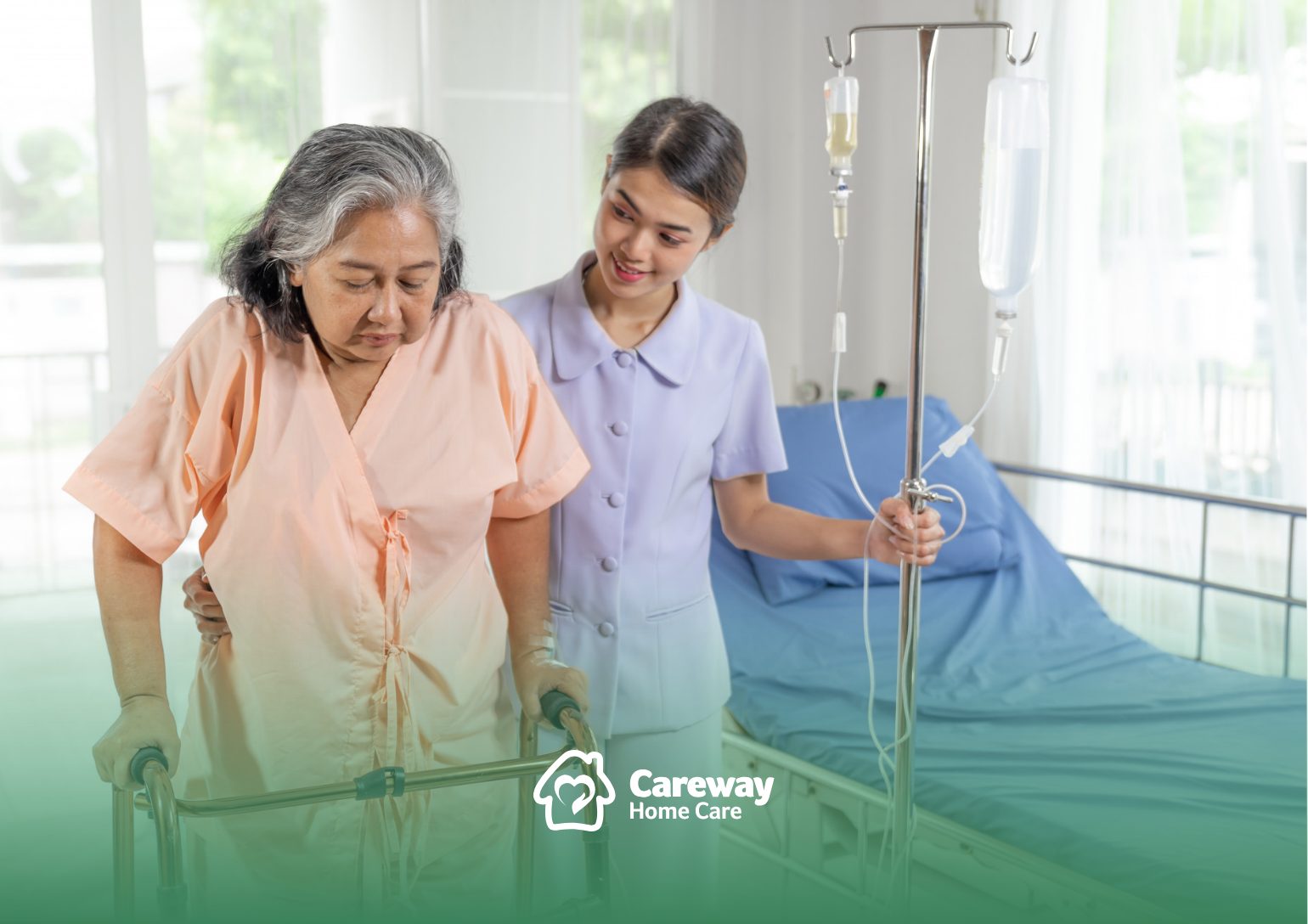
Recovering from surgery or returning home after a hospital stay can be a challenging time for patients and their families. While hospitals provide excellent acute care, most recovery happens at home. This transition is critical, and support is often needed to ensure a safe, comfortable, and successful recovery. Home care helps after surgery or hospital discharge by offering personalized, compassionate assistance that promotes healing, independence, and peace of mind.
In this comprehensive guide, we’ll explore how home care makes a meaningful difference in recovery — from physical support to emotional well‑being.
Why the Transition Home Matters
When patients leave the structured environment of a hospital, they often face new challenges such as:
- Managing medications correctly
- Coping with pain and discomfort
- Preventing complications like infections or falls
- Adjusting to physical limitations
- Balancing daily activities
Without proper support, these challenges can increase the risk of readmission. Home care offers a bridge between hospital care and full independence.
Personalized Care Plans: The Foundation of Recovery
One of the key strengths of home care is personalization. Upon discharge, a care professional assesses the patient’s needs and creates a care plan tailored to their condition, goals, and home environment.
What’s Included in a Home Care Plan?
| Type of Support | Description |
|---|---|
| Medical Support | Wound care, vital sign monitoring, and post‑surgical assessments |
| Medication Management | Organizing, administering, and tracking medicines |
| Mobility Assistance | Help with walking, transfers, and exercise routines |
| Daily Living Activities | Bathing, dressing, meal prep, toileting |
| Safety Modifications | Ensuring the home environment reduces fall or injury risks |
This customized approach ensures that patients aren’t given a one‑size‑fits‑all plan but rather a recovery strategy that reflects their unique needs.
Supporting Physical Recovery
Medication Management
After surgery or hospitalization, patients often have complex medication schedules. Mistakes can lead to serious complications. Home caregivers help by:
- Setting up pill boxes and reminders
- Ensuring medications are taken at the right time and dose
- Communicating with healthcare providers if issues arise
This oversight reduces errors and improves recovery outcomes.
Wound Care and Monitoring
Proper wound care is essential to prevent infection and promote healing. Home care professionals are trained to:
- Clean and dress wounds
- Check for signs of infection
- Follow post‑operative care instructions accurately
Early detection of complications can prevent setbacks or re‑hospitalization.
Mobility and Exercise Support
After a hospital stay, muscles may be weak, and balance may be compromised. Caregivers assist with:
- Safe transfers (bed ↔ chair)
- Helpwith walking and movement exercises
- Guidance on physical therapy routines
This assistance increases confidence and reduces the risk of falls.
Emotional and Psychological Support
Recovery isn’t just physical. Patients often experience anxiety, frustration, or depression after major medical events. Home care professionals provide:
- Companionship and conversation
- Emotional encouragement throughout recovery
- Motivation to stay active and engaged
This human connection helps reduce feelings of isolation and supports mental well‑being.
Helping With Daily Living
Daily tasks that were once simple may now feel overwhelming. Home caregivers step in to help with:
- Meal Preparation: Nutritious meals tailored to dietary needs
- Personal Hygiene: Bathing, grooming, and comfortable dressing
- Household Tasks: Light cleaning, laundry, errands
By handling these tasks, caregivers free patients to focus on healing and rest.
Preventing Complications and Reducing Readmissions
One of the biggest concerns after discharge is the risk of readmission. Home care helps by:
- Monitoring health indicators
- Recognizing early warning signs
- Promptly communicating concerns to physicians
This proactive approach improves outcomes and reduces stress for families.
Support for Family Caregivers
Family members often want to help but may feel overwhelmed. Home care offers:
- Guidance and Education: Training on safe care techniques
- Emotional Support: Stress relief and reassurance
- Respite Care: Time off for family caregivers to rest
This support preserves family relationships and prevents burnout.
Technology That Enhances Care
Modern home care integrates technology such as:
- Medication reminders via apps or devices
- Telehealth check‑ins with professionals
- Remote monitoring of vital signs
Technology enhances safety, improves communication, and supports ongoing recovery.
How Home Care Promotes Independence
Home care isn’t about doing everything for the patient — it’s about helping them do what they can safely and confidently. Caregivers encourage independence by:
- Teaching adaptive techniques
- Supporting safe mobility
- Providing tools and resources that empower patients
This approach increases self‑esteem and improves long‑term quality of life.
Real Stories, Real Impact (Examples)
Example 1: Hip Replacement Recovery
After a hip replacement, Jane felt anxious about moving at home. Her caregiver:
- Helped with physical therapy exercises
- Assisted with safe walking and bathroom transfers
- Prepared meals for a balanced diet
With consistent support, Jane regained independence faster than expected.
Example 2: Managing Medication After Heart Surgery
Mark had a complicated medication schedule. His caregiver:
- Organized medications with timers
- Monitored blood pressure and symptoms
- Communicated updates to his doctor
Mark avoided complications and stayed confident in his recovery.
What to Expect From Quality Home Care
When choosing home care after surgery or discharge, look for providers who:
- Conduct thorough in‑home assessments
- Offer licensed, trained professionals
- Provide clear care plans with measurable goals
- Communicate regularly with healthcare teams
- Respect patient dignity and preferences
Quality care should feel supportive, respectful, and empowering.
Cost Considerations and Insurance
Home care costs vary based on:
- Intensity of care needed
- Length of service needed
- Location and local rates
Many insurance plans, including long‑term care policies or Medicare in certain cases, may cover parts of home care. Discuss options with your provider to understand what’s applicable.
Tips for a Smooth Transition Home
To make recovery at home successful:
- Prepare your home ahead of discharge (remove obstacles, ensure safety)
- Keep a list of medications and schedules
- Stay involved in care planning
- Ask for help when needed
- Communicate changes in condition promptly
Planning makes recovery smoother and safer.
When Home Care May Be Most Useful
Home care is particularly beneficial for patients who:
- Had major surgeries (orthopedic, cardiac, abdominal)
- Have mobility challenges
- Live alone or have limited family support
- Need help with daily tasks or medication management
- Are at risk for complications
Evaluating these factors helps families make informed decisions.
Final Thoughts
Recovering at home after surgery or a hospital stay is a critical period that shapes long‑term health and independence. Home care helps after surgery or hospital discharge by providing tailored support, improving safety, and offering peace of mind to patients and families alike.
Whether the goal is to prevent complications, boost confidence, or regain independence, professional home care can make a meaningful difference in recovery outcomes.
If you’re considering support after a hospital discharge and want compassionate, personalized care, our team at Careway Home Care is here to help you every step of the way. Contact us today!
Frequently Asked Questions
1. What services are included in home care after hospital discharge?
Home care services typically include medication management, wound care, mobility assistance, personal care, meal preparation, and companionship.
2. How soon should home care begin after surgery or discharge?
Ideally, home care should begin within 24–48 hours after discharge to ensure continuity of care and reduce the risk of complications.
3. Is home care covered by insurance?
Coverage varies by insurer and policy. Some long‑term care insurance plans and Medicare may cover specific services; it’s important to check your individual plan.
4. How long does a patient need home care?
The duration depends on the type of surgery, individual recovery progress, and physician recommendations. Care plans are adjusted based on patient needs.
5. Can home care help prevent hospital readmissions?
Yes. By monitoring health, managing medications, and addressing complications early, home care significantly reduces the likelihood of readmissions.
Sources:
- https://my.clevelandclinic.org/health/treatments/15709-incision-care
- https://www.solace.health/articles/post-hospital-syndrome-recovery-tips
- https://pmc.ncbi.nlm.nih.gov/articles/PMC1070773/
- https://www.ncbi.nlm.nih.gov/books/NBK606114/
- https://pmc.ncbi.nlm.nih.gov/articles/PMC7326238/