What to Expect When Hiring a Professional Caregiver
Key Highlights
- Hiring a professional caregiver involves an assessment, care planning, and ongoing monitoring
- Care services can range from companionship to advanced personal and medical support
- Families should expect clear communication, training standards, and background-checked caregivers
- Real case examples show how structured care improves safety and quality of life
- Matching the right caregiver to the client is one of the most important success factors
Hiring a professional caregiver is a major decision for families supporting aging parents, individuals recovering from illness, or those living with chronic conditions. While the idea of bringing someone new into the home can feel overwhelming, understanding what to expect can make the process smoother, safer, and more reassuring.
This guide breaks down the full caregiving journey—from initial assessment to daily care routines—while also sharing real-world examples from home care experiences to help you make informed decisions.
Understanding What a Professional Caregiver Does
A professional caregiver provides non-medical or supportive care to individuals who need help with daily living activities. Their role can vary depending on the client’s condition and needs.
Common responsibilities include:
- Personal care (bathing, grooming, dressing)
- Meal preparation and feeding assistance
- Medication reminders
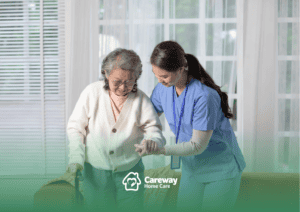
- Mobility and transfer support
- Light housekeeping
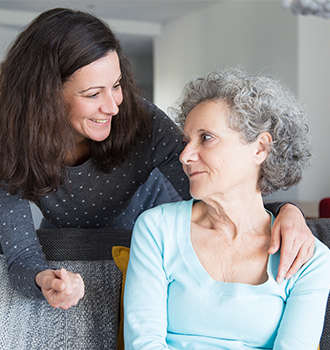
- Companionship and emotional support
- Monitoring health changes and reporting concerns
In our caregiving experience, one of the most underestimated roles is emotional support. Many families initially think caregivers only assist physically, but companionship often becomes just as important for mental well-being.
Step 1: Initial Consultation and Needs Assessment
The first step in hiring a professional caregiver is a comprehensive assessment of the client’s needs.
What happens during assessment:
- Review of medical conditions and limitations
- Evaluation of daily living abilities
- Discussion of safety concerns at home
- Family input on preferences and routines
- Identification of cognitive or memory issues
Real-world example: In one case we observed, a family requested general assistance for an elderly father recovering from surgery. However, during the assessment, we discovered early signs of cognitive decline. This changed the care plan significantly, adding supervision and safety monitoring that the family had not initially considered. This stage is critical because it ensures care is tailored rather than generalized.
Step 2: Care Plan Development
Once needs are identified, a personalized care plan is created.
A typical care plan includes:
- Daily schedule of activities
- Level of assistance required
- Safety precautions
- Nutrition and hydration goals
- Mobility instructions
- Emergency protocols
Why care plans matter: A structured care plan ensures consistency between caregivers and reduces confusion for the client.
Example from practice: We once supported a client with Parkinson’s disease who experienced frequent falls due to inconsistent assistance routines. After implementing a standardized care plan across all caregivers, fall incidents significantly decreased within a month.
Step 3: Caregiver Matching Process
One of the most important aspects of home care is matching the right caregiver to the client.
Matching factors include:
- Personality compatibility
- Language and communication style
- Experience with specific conditions
- Gender preferences (if requested)
- Cultural sensitivity
Insight from field experience: We’ve seen cases where technical skills were excellent, but a personality mismatch led to poor cooperation. Conversely, strong caregiver-client rapport often improved adherence to routines and emotional stability, even in complex care situations.
Step 4: Background Checks and Training Standards
Families should always expect caregivers to be properly vetted and trained.
Standard requirements include:
- Criminal background checks
- Reference verification
- CPR and first aid certification
- Dementia or condition-specific training
- Ongoing professional education
Why this matters: In-home care, caregivers operate independently, so trust and verification are essential for safety.
Insight: In professional care settings, training is not a one-time requirement. Many agencies require continuous education to keep caregivers updated on best practices in elderly care, dementia support, and mobility assistance.
Step 5: First Days of Care
The first few days of caregiving are usually an adjustment period for both the client and caregiver.
What families can expect:
- Establishing trust and familiarity
- Learning routines and preferences
- Minor communication gaps as adjustments occur
- Gradual improvement in comfort and cooperation
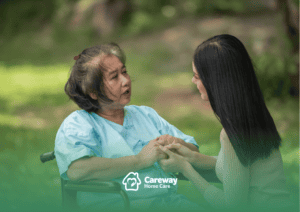
Real example: One client initially refused assistance with bathing due to embarrassment. However, after several gentle, consistent interactions from the caregiver, trust was established, and personal care routines became smooth and stress-free.
Step 6: Daily Care Routine
Once the care relationship stabilizes, daily routines become more structured and predictable.
Typical daily schedule:
| Time of Day | Care Activities |
|---|---|
| Morning | Hygiene, dressing, breakfast, medication reminders |
| Midday | Light exercise, companionship, errands |
| Afternoon | Meals, rest, cognitive activities |
| Evening | Dinner, hygiene, bedtime preparation |
Consistency is key. In our experience, predictable routines significantly reduce anxiety, especially in clients with dementia or chronic illness.
Step 7: Communication with Family
A professional caregiver should maintain clear and regular communication with family members.
Communication methods may include:
- Daily or weekly progress notes
- Phone or text updates
- Incident reporting
- Care plan adjustments
Example from practice: We supported a family caring for an elderly stroke patient. Weekly caregiver reports helped the family understand recovery progress and allowed the care plan to be adjusted based on mobility improvements. Good communication builds trust and ensures everyone is aligned.
Step 8: Monitoring Progress and Adjusting Care
Care needs often change over time, especially for aging individuals or those recovering from illness.
Adjustments may include:
- Increasing or reducing care hours
- Adding physical therapy support
- Modifying mobility assistance techniques
- Updating nutrition plans
Insight: In professional home care environments, care plans are treated as living documents. Regular reassessments ensure that care evolves with the patient’s condition rather than remaining static.
Step 9: Emotional and Psychological Support
Professional caregivers also play a key role in emotional well-being.
Emotional support may include:
- Companionship conversations
- Encouraging hobbies or light activities
- Reducing isolation and loneliness
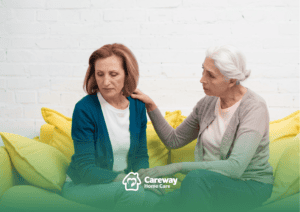
- Providing reassurance during confusion or anxiety
Real-world example: We once supported an elderly client who had recently lost a spouse. While physical care was minimal, emotional support from the caregiver significantly improved mood and reduced signs of depression over time.
Step 10: Common Challenges Families Should Expect
While caregiving is highly beneficial, families should also be aware of possible challenges.
| Challenge | Why It Happens | Solution |
|---|---|---|
| Adjustment period | New routines and unfamiliar caregiver | Allow time for bonding |
| Emotional resistance | Loss of independence | Use patience and empathy |
| Scheduling changes | Evolving care needs | Regular reassessment |
| Caregiver turnover | Staffing changes | Maintain backup caregiver plans |
Understanding these challenges in advance helps families set realistic expectations.
Step 11: Cost Considerations
Costs vary depending on level of care, location, and hours required.
Factors influencing cost:
- Hourly vs live-in care
- Medical complexity
- Number of care hours per day
- Specialized training requirements
Insight from real cases: Families often initially underestimate the level of care required. After assessment, many discover that part-time care may need to be expanded to ensure safety and continuity.
Step 12: When Professional Care Becomes Essential
Professional caregiving becomes especially important when:
- Family caregivers are experiencing burnout
- The patient has mobility limitations or fall risks
- Dementia or cognitive decline is present
- Post-surgery recovery requires daily assistance
- Chronic illness requires ongoing monitoring
Early intervention often leads to better outcomes and reduced hospitalizations.
Final Thoughts
Hiring a professional caregiver is not just about assistance—it is about improving quality of life, safety, and emotional well-being for both the individual receiving care and their family.
With the right assessment, caregiver match, and care plan, families often find that professional caregiving brings structure, peace of mind, and meaningful support during challenging life transitions.
From years of experience in home care settings, we’ve consistently seen that success depends on communication, trust, and the flexibility to adapt to changing needs.
For families seeking dependable support at home, Careway Home Care provides trained caregivers, personalized care plans, and ongoing support designed to meet each client’s unique needs. Reach out today!
Frequently Asked Questions
1. What should I look for when hiring a professional caregiver?
Look for training, experience, background checks, communication skills, and compatibility with the client’s personality and needs.
2. How long does it take to adjust to a new caregiver?
Most clients adjust within a few days to a few weeks, depending on their condition and comfort level with new people.
3. Can care plans be changed after hiring a caregiver?
Yes. Care plans are regularly reviewed and adjusted based on changing health conditions and family feedback.
4. What is the difference between a caregiver and a nurse?
Caregivers assist with daily living activities, while nurses provide medical care and clinical treatment.
5. Do caregivers provide emotional support as well?
Yes. Companionship and emotional support are important parts of professional caregiving and significantly improve well-being.
Sources:
- https://my.clevelandclinic.org/health/articles/activities-of-daily-living-adls
- https://www.ncoa.org/article/the-top-10-most-common-chronic-conditions-in-older-adults/
- https://www.mayoclinic.org/diseases-conditions/mild-cognitive-impairment/symptoms-causes/syc-20354578
- https://pmc.ncbi.nlm.nih.gov/articles/PMC7522521/
- https://www.healthinaging.org/tools-and-tips/caregiver-guide-mobility-problems