What Emergency Protocols Do Caregivers Follow?
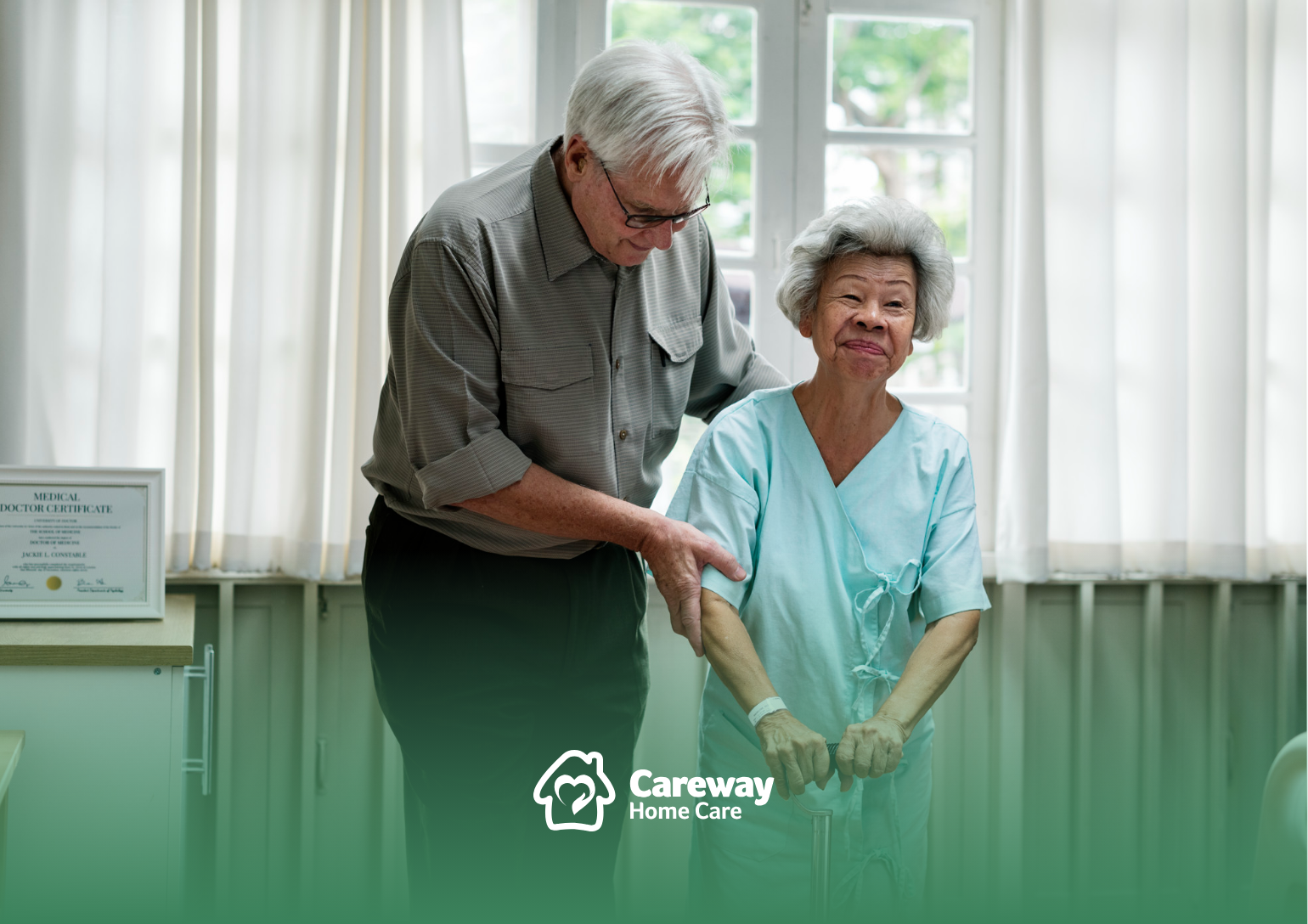
Caregivers are trained to handle emergencies quickly and efficiently to protect seniors’ safety and well-being.
- Medical Emergencies
-
-
- Call emergency services (911) immediately for serious issues like heart attacks, strokes, or falls.
- Provide first aid and CPR if certified and necessary.
- Notify family members and healthcare providers promptly.
-
- Safety Hazards
-
-
- Respond to fires, gas leaks, or electrical hazards by evacuating seniors safely and contacting authorities.
- Ensure seniors are away from immediate danger.
-
- Daily Health Monitoring
-
-
- Track vital signs, medications, and health changes to prevent emergencies.
- Follow established care plans for chronic conditions or high-risk situations.
-
- Documentation and Communication
-
- Record incidents and actions taken during emergencies.
- Maintain clear communication with family and medical teams for follow-up care.
Following strict emergency protocols ensures seniors receive immediate help when needed and minimizes risks. Careway Home Care trains caregivers in comprehensive emergency procedures to provide reliable, safe, and responsive support for seniors.
Frequently Asked Questions
1. Are caregivers trained in CPR and first aid?
Yes, most professional caregivers are certified in CPR and basic first aid.
2. What happens after an emergency is handled?
Caregivers document the incident and update care plans if necessary.
3. Can caregivers handle minor medical issues at home?
Yes, they can provide basic care and follow care plans for minor issues while monitoring for escalation.
Sources:
- https://www.redcross.org/about-us/news-and-events/press-release/2026/prepare-for-cardiac-emergencies-this-heart-month.html
- https://www.ready.gov/caregivers