Combating Loneliness in Seniors Through Home Care
Key Highlights
- Loneliness is a common issue among seniors and can negatively impact physical and mental health.
- Home care provides companionship and emotional support to reduce feelings of isolation.
- Social activities and technology help seniors stay connected with family and friends.
- Personalized care plans address both practical and emotional needs.
- Collaboration with healthcare professionals enhances overall well-being.
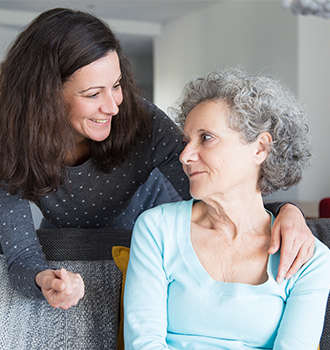
Loneliness among seniors is a growing concern that can affect both mental and physical health. Many older adults live alone or have limited social interactions, leading to feelings of isolation, depression, and anxiety. Home care provides a practical and compassionate solution, helping seniors stay connected, engaged, and emotionally supported.
By offering personalized support tailored to each senior’s needs, home care enables older adults to enjoy meaningful interactions, maintain independence, and improve their overall quality of life.
Understanding Loneliness in Seniors
Loneliness is more than just being alone—it is the perceived lack of meaningful social connections. Seniors may experience loneliness due to:
- Loss of a spouse or close friends
- Physical limitations or mobility challenges
- Hearing or vision impairments that make communication difficult
- Retirement or reduced social opportunities
- Living far from family members
Left unaddressed, loneliness can lead to serious health consequences, including cognitive decline, heart disease, and weakened immune function.
How Home Care Helps Combat Loneliness
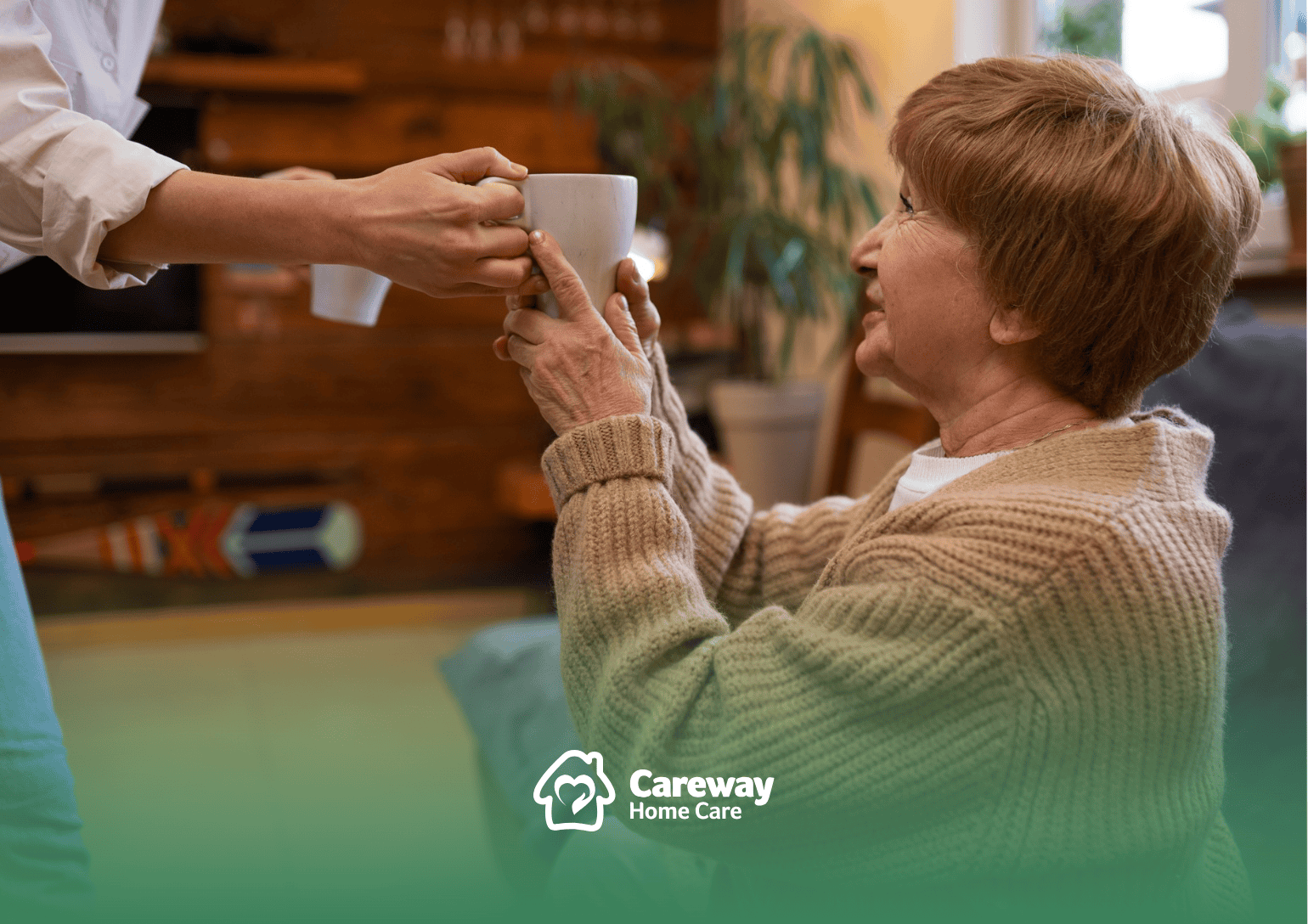
Home care offers more than assistance with daily tasks—it also provides companionship and emotional support, which are vital for reducing loneliness. Caregivers can:
- Engage in meaningful conversation and activities
- Participate in hobbies or interests with the senior
- Offer encouragement and emotional support during challenging moments
- Facilitate visits or communication with family and friends
By integrating social interaction into daily routines, seniors feel valued, connected, and less isolated.
Encouraging Social Engagement
Social interaction is a key factor in combating loneliness. Home care helps seniors stay socially active in various ways:
- In-Person Visits: Caregivers spend quality time with seniors, playing games, reading, or sharing meals.
- Community Activities: Seniors may attend local events, clubs, or senior centers with caregiver support.
- Family Connection: Caregivers facilitate phone calls, video chats, or family visits to maintain relationships.
These interactions improve mood, boost self-esteem, and create a sense of belonging.
Social Engagement Strategies for Seniors
| Strategy | How Home Care Helps | Benefits |
| In-Person Interaction | Caregiver companionship and participation | Reduces feelings of isolation |
| Community Activities | Transportation and support to attend events | Encourages social connections |
| Technology Use | Assists with video calls, social media, or online groups | Maintains contact with distant family/friends |
| Hobbies & Interests | Shared activities like gardening, crafts, or music | Boosts mental stimulation and enjoyment |
| Volunteer Opportunities | Guidance and support to volunteer safely | Creates purpose and engagement |
Using Technology to Stay Connected
Technology can be a powerful tool for seniors to combat loneliness. Home care professionals can assist seniors in using devices and apps to stay in touch with loved ones:
- Video Calls: Platforms like Zoom, FaceTime, or WhatsApp allow seniors to see and speak with family members.
- Social Media: Seniors can join online communities to share experiences and interact with peers.
- Online Classes or Clubs: Many seniors enjoy virtual book clubs, art classes, or exercise programs.
Caregivers ensure seniors are comfortable using technology, which opens doors to new social connections and opportunities.
Supporting Mental and Emotional Wellbeing
Loneliness can significantly affect emotional health. Home care supports mental well-being through:
- Active Listening: Caregivers provide a safe space for seniors to share thoughts and feelings.
- Positive Reinforcement: Encouraging seniors to participate in activities or express themselves helps build confidence.
- Structured Routine: Predictable daily schedules reduce anxiety and give seniors something to look forward to.
- Professional Referrals: When needed, caregivers can connect seniors with counselors, therapists, or support groups.
Emotional support complements practical care, allowing seniors to thrive both mentally and physically.
Encouraging Physical Activity
Physical activity is closely linked to social interaction and mental health. Caregivers can support seniors in staying active:
- Walking or Mobility Exercises: Accompanied walks allow safe outdoor interaction.
- Group Fitness Classes: Seniors can participate in community or online exercise sessions.
- Gentle Stretching or Yoga: Caregivers can guide simple exercises at home.
Active seniors tend to experience better mood, improved cognitive function, and increased opportunities for social engagement.
The Role of Family in Combating Loneliness
Families play a vital role in reducing loneliness, and home care can help facilitate this support. Caregivers can:
- Coordinate regular visits or check-ins
- Assist seniors in sending messages, photos, or letters
- Educate families on effective communication techniques
- Encourage family involvement in hobbies, games, or outings
This partnership ensures seniors receive both professional support and meaningful family connections.
Benefits of Home Care in Combating Loneliness
Home care addresses loneliness in seniors by:
- Providing consistent companionship and emotional support.
- Encouraging social interaction and community engagement.
- Facilitating family communication and connection.
- Supporting mental and emotional well-being through structured routines and active listening.
- Using technology and mobility support to expand social opportunities.
By addressing both the emotional and practical aspects of daily life, home care allows seniors to feel connected, valued, and independent.
Final Thoughts
Combating loneliness is essential for seniors’ health, happiness, and quality of life. Home care provides the companionship, emotional support, and social engagement necessary to keep seniors connected and thriving at home. Careway Home Care offers compassionate and professional services designed to address loneliness, promote independence, and improve overall well-being for seniors and their families. Contact us today!
Frequently Asked Questions
1. How can home care reduce loneliness for seniors who live alone?
Caregivers provide companionship, assist with social activities, and facilitate communication with family and friends, reducing feelings of isolation.
2. Can technology really help seniors feel less lonely?
Yes. Video calls, social media, and online classes allow seniors to stay connected and engaged, even if physical visits are limited.
3. What activities can help seniors combat loneliness?
Engaging in hobbies, attending community events, participating in online groups, and spending time with caregivers or family all help reduce loneliness.
4. How often should seniors interact socially to prevent loneliness?
Regular daily interactions, even brief conversations, combined with weekly social activities, help maintain emotional well-being and prevent isolation.
5. Can home care support seniors with cognitive challenges like dementia?
Absolutely. Caregivers provide personalized engagement, structured routines, and emotional support tailored to cognitive abilities, helping reduce isolation and confusion.
Sources:
- https://www.nia.nih.gov/health/loneliness-and-social-isolation/loneliness-and-social-isolation-tips-staying-connected
- https://pmc.ncbi.nlm.nih.gov/articles/PMC9808656/
- https://www.who.int/activities/reducing-social-isolation-and-loneliness-among-older-people
- https://www.cottagelitchfield.com/blog/technology-for-seniors
- https://www.pbs.org/newshour/health/how-the-loneliness-of-social-isolation-can-affect-older-adults-brains