Aging in Place with Limited Mobility: What Families Know
Key Highlights
- Limited mobility does not make aging in place impossible, but it does make thoughtful planning, home modification, and professional support essential.
- Falls are the leading cause of injury-related death among older adults in the U.S.; most occur in the home and are largely preventable with the right modifications.
- A professional home safety assessment by an occupational therapist is the most reliable starting point for identifying risks and prioritizing modifications.
- Assistive technology, from smart home devices to power wheelchairs and medical alert systems, can dramatically extend a mobility-limited senior’s ability to live safely and independently.
- Pennsylvania offers financial assistance programs, including PHFA grants and Medicaid waiver funding, that can offset the cost of home modifications for eligible seniors.
- Professional in-home care fills the gap between what a senior can do independently and what they need — preserving dignity, safety, and quality of life at home.
The wish is almost universal among older adults: to remain at home, in the community they know, surrounded by the things and people that have shaped their lives. But when mobility declines, whether due to arthritis, a stroke, Parkinson’s disease, hip replacement, or any of the many conditions that affect movement and balance in later life, that wish can begin to feel like a fragile one.
Families find themselves asking hard questions. Is the house still safe? What happens if there is a fall and no one is there? Can Mom really manage the stairs? How do we make this work without uprooting everything or burning ourselves out trying to provide constant supervision?
The honest answer is that aging in place with limited mobility is entirely possible for the vast majority of seniors, but it requires something most families are not initially equipped with: a clear assessment of the risks, a realistic plan for addressing them, and the right support systems in place before a crisis occurs. This guide is designed to give Pennsylvania families exactly that.
Understanding Mobility Limitations in Older Adults
Mobility limitations in older adults exist on a wide spectrum. At one end are seniors with mild balance issues or joint pain who need minor accommodations; at the other are individuals with significant impairments, using wheelchairs or walkers, unable to climb stairs, or requiring assistance with most activities of daily living. The appropriate aging-in-place strategy looks very different depending on where on that spectrum a person sits, and planning should reflect that reality.
The most common causes of mobility limitation among older adults include:
- Osteoarthritis: Joint degeneration that causes pain, stiffness, and reduced range of motion, particularly in the knees and hips
- Stroke: Which may cause one-sided weakness, impaired balance, and difficulty with coordination
- Parkinson’s disease: A progressive neurological condition affecting movement, balance, and gait
- Osteoporosis: Bone thinning that increases fracture risk and often follows a first significant fall
- Hip or knee replacement: Temporary or extended mobility limitation following surgery
- Peripheral neuropathy: Nerve damage (often diabetes-related) that impairs sensation and stability in the feet and legs
- Heart failure or COPD: Reduced endurance and exercise tolerance that limits functional mobility
Each of these conditions has different implications for how a home should be modified, what assistive devices are appropriate, and what level of professional support is needed. A one-size-fits-all approach, simply adding a grab bar here and a ramp there, is not sufficient. The starting point must always be a careful, individualized assessment.
The Fall Risk Reality: Why This Cannot Be Minimized
Falls are not an inevitable or trivial part of aging. They are a leading public health crisis. The Centers for Disease Control and Prevention (CDC) reports that falls are the leading cause of both fatal and non-fatal injuries among adults aged 65 and older in the United States. Every year, approximately 36 million falls are reported among older adults, resulting in more than 32,000 deaths and over 8 million emergency department visits.
The statistics within the home are equally sobering. More than half of all falls among older adults occur at home, and the bathroom is the single most dangerous room in the house, accounting for approximately 80% of falls in that setting. Bedrooms, kitchens, and stairways follow. These are not freak accidents; they are predictable events occurring in predictable locations, which means they are largely preventable.
For seniors with limited mobility, fall risk is compounded. Impaired balance, reduced muscle strength, slowed reaction time, and medications that cause dizziness or orthostatic hypotension all increase the likelihood of a fall. And for older adults with osteoporosis or other bone-weakening conditions, a single fall can mean a hip fracture — an injury associated with a 20 to 30 percent mortality rate within the first year in adults over 65.
These numbers are not meant to frighten but to clarify. The stakes of inadequate fall prevention in a mobility-limited senior’s home are high, and the investment in preventing falls is almost always less costly, financially and emotionally, than managing the consequences of one.
Starting Right: The Professional Home Safety Assessment
Before making any home modifications, the most valuable step a family can take is investing in a professional home safety assessment. This is typically conducted by an occupational therapist (OT) — a healthcare professional trained specifically to evaluate how a person’s physical, cognitive, and environmental factors interact to affect their ability to perform daily activities safely.
During a home safety assessment, the OT will evaluate the senior’s functional abilities, how they move, transfer, climb stairs, and manage daily tasks, and systematically assess the home environment for hazards. The result is a prioritized list of recommended modifications, assistive devices, and support strategies tailored to that specific person in that specific home.
The value of this professional starting point cannot be overstated. Families who attempt to assess their own home’s safety frequently miss hazards that are invisible to untrained eyes, a threshold that is just high enough to catch a shuffling gait, lighting that seems adequate until measured, or a toilet height that works for most adults but is genuinely unsafe for a person who cannot push up from a seated position. An OT catches these details because they are trained to see what families love their way past.
In Pennsylvania, home safety assessments may be covered under Medicare Part B (in some circumstances), Medicaid, or private health insurance. Some Area Agencies on Aging also provide this service at low or no cost for eligible seniors.
Home Modifications: Room by Room
Once risks have been professionally identified, targeted home modifications address them systematically. The following table outlines the most impactful modifications by area of the home, along with general cost estimates to help with planning.
Home Modification Guide for Seniors with Limited Mobility
|
Area of the Home |
Key Modifications |
Estimated Cost Range |
|
Bathroom |
Grab bars, roll-in shower, raised toilet seat, non-slip flooring, handheld showerhead |
$500 – $8,000+ |
|
Entryways |
Ramp or zero-step entry, widened doorways (min. 36″), lever-style door handles |
$1,000 – $10,000 |
|
Bedroom |
Adjustable-height bed, bedside grab rail, move bedroom to the main floor if stairs are a barrier |
$200 – $5,000 |
|
Kitchen |
Pull-out shelves, lowered countertops, touchless faucets, rolling cart for transport |
$300 – $6,000 |
|
Stairways |
Stair lift, platform lift, or elevator (if multi-story); stairway handrails on both sides |
$2,000 – $15,000+ |
|
Flooring |
Remove throw rugs, install non-slip surfaces, and repair uneven thresholds |
$200 – $3,000 |
|
Lighting |
Motion-activated lights, nightlights in hallways and bathrooms, and higher-wattage bulbs |
$100 – $1,000 |
Cost estimates are general ranges and vary significantly based on the extent of modification, existing home structure, contractor rates in your region of Pennsylvania, and the quality of materials selected. Prioritize modifications based on the senior’s specific risk profile — the bathroom and entryways are almost always the highest-priority starting points for mobility-limited seniors.
A Note on Bathroom Modifications
The bathroom deserves extended attention because it concentrates so many risk factors in one small space: hard surfaces, water, confined areas, and the physical demands of bathing and toileting. For a senior with limited mobility, the difference between a standard bathroom and a properly modified one can be the difference between safe, private independence and daily falls.
The single most impactful change in most bathrooms is the installation of properly anchored grab bars, at the toilet, in the shower or bath area, and near the entry to the shower. These are not the same as towel bars, which are not load-bearing and should never be used as grab bars. Properly installed grab bars are secured into wall studs or with appropriate anchors and rated to support the weight of an adult in motion.
A roll-in shower, one with no curb or threshold, is the gold standard for wheelchair users and for anyone whose gait impairment makes stepping over a threshold dangerous. A handheld showerhead on an adjustable slide bar allows bathing from a seated position, which is safer and less fatiguing for many mobility-limited seniors.
Assistive Devices and Technology: Extending Independence
Home modifications address the environment, but assistive devices address the individual’s ability to navigate that environment safely and maintain as much independence as possible. The right combination of devices can dramatically expand what a mobility-limited senior can do on their own.
Mobility Aids
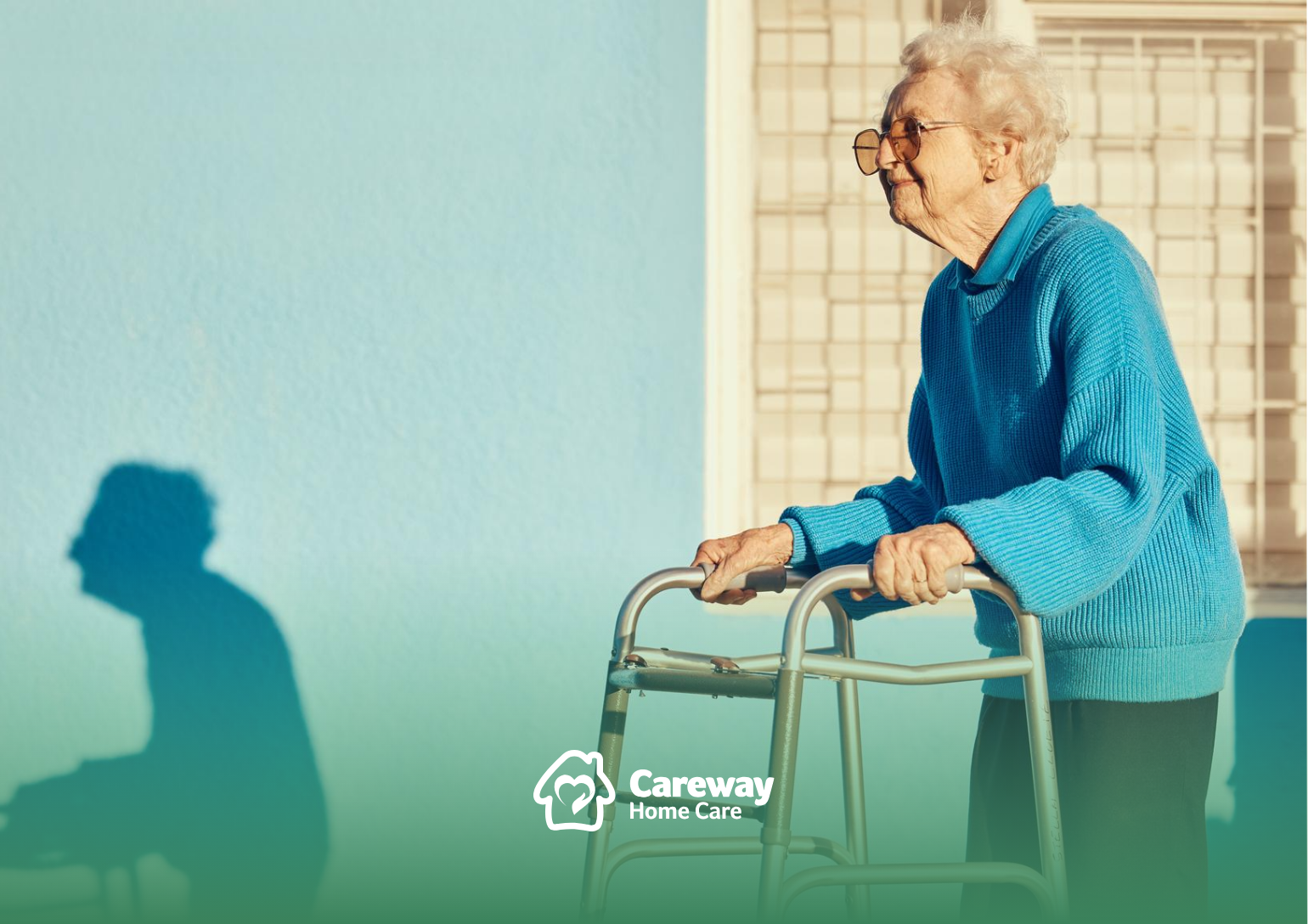
Canes, walkers, rollators (wheeled walkers with seats), and wheelchairs are the most common mobility aids, but selecting the right one and ensuring it is properly fitted requires professional input. An occupational therapist or physical therapist can evaluate gait, strength, and balance to recommend the most appropriate aid and adjust it to the correct height and configuration. An ill-fitting or inappropriate mobility aid can actually increase fall risk rather than reducing it.
For seniors with more significant mobility limitations, power wheelchairs and scooters can restore a substantial degree of independence, indoors and, in accessible environments, outdoors. These devices are covered by Medicare Part B for eligible beneficiaries when prescribed by a physician.
Medical Alert Systems
A personal emergency response system (PERS), a wearable device that allows a senior to summon help with the press of a button, is one of the most cost-effective safety investments available for mobility-limited seniors living at home. Modern systems go well beyond the classic “I’ve fallen, and I can’t get up” paradigm: many now include fall detection (automatic alert without button press), GPS tracking for outdoor use, two-way voice communication, and medication reminders.
For a mobility-limited senior who spends time alone at home, a functioning medical alert system is not optional — it is a fundamental safety requirement. The knowledge that help can be summoned within minutes, at any hour, can also significantly reduce the anxiety that both seniors and their families experience.
Smart Home Technology
Voice-activated smart home devices, such as Amazon Echo or Google Home, allow mobility-limited seniors to control lights, thermostats, door locks, and even make phone calls without needing to move across the room. For a senior with limited hand strength or dexterity, voice control can replace dozens of small physical tasks that might otherwise require a caregiver’s assistance. Automated lighting, smart doorbells with video, and remote monitoring cameras (used appropriately and with the senior’s awareness and consent) add further safety layers.
What Professional In-Home Care Provides That Technology Cannot
Technology and home modifications create a safer environment. Professional in-home care provides something different: the human presence, clinical skill, and relationship that fills the gap between what a senior can do independently and what they need to live well.
For mobility-limited seniors, in-home care services typically include:
- Assistance with personal care: bathing, dressing, and grooming that requires the physical support of another person
- Safe transfer assistance: helping a senior move from bed to wheelchair, wheelchair to toilet, or car to home — using proper body mechanics to protect both the senior and the caregiver
- Ambulation support: accompanying the senior as they walk, providing physical support and monitoring for instability
- Medication management: ensuring medications (including those that affect balance or blood pressure) are taken correctly and on schedule
- Meal preparation: planning and preparing nutritious meals that the senior cannot safely prepare independently
- Housekeeping and home management: maintaining a safe, clutter-free environment that reduces fall hazards
- Transportation: to medical appointments, therapy sessions, and community activities
- Therapeutic exercise support: helping the senior perform prescribed home exercise programs that maintain or improve strength and mobility
In our work supporting mobility-limited seniors and their families across Pennsylvania, we have seen how transformative the right in-home care relationship can be. One client, a 78-year-old woman in suburban Harrisburg recovering from a second hip fracture, had been told by her family that her only safe option was a nursing facility. She was determined to return home but had no plan for how to manage safely.
With a full home safety assessment, targeted modifications (grab bars, a stair lift, a raised toilet seat, and removal of several throw rugs), a power wheelchair for indoor use, and daily home care aide visits for personal care and physical support, she returned home within three weeks of hospital discharge. Fourteen months later, she remained at home — with no falls, full engagement in her social life, and a quality of life she described as far better than she had experienced in the year before her second fracture, when she had been living in fear of falling but refusing to acknowledge the risk.
This kind of outcome, which is not unusual when a comprehensive, coordinated approach is taken, is what families need to understand is possible. It requires planning, professional input, and real support. But it is achievable.
Pennsylvania Financial Resources for Home Modifications
One of the most common barriers families face when planning home modifications is cost. The good news is that Pennsylvania has a meaningful range of programs that can offset modification costs for eligible seniors, and many families are unaware that these resources exist.
Pennsylvania Housing Finance Agency (PHFA) Home Modification Loan Program
The PHFA offers low-interest loans specifically for home modifications that improve accessibility for persons with disabilities or aging adults. Eligible modifications include ramps, grab bars, accessible bathrooms, and widened doorways. The program serves homeowners across Pennsylvania with income and eligibility requirements that are more accessible than many families expect.
PA Department of Aging and Area Agencies on Aging
Pennsylvania’s 52 Area Agencies on Aging (AAAs) administer a range of programs that can fund in-home services and minor home modifications for seniors who meet age and income criteria. The OPTIONS program, in particular, provides state-funded services — including personal care, home modification, and assistive device support — for seniors who do not qualify for Medicaid but still need help.
Medicaid Home and Community-Based Waivers
For seniors who qualify for Medicaid, Pennsylvania’s Community HealthChoices waiver program funds an extensive range of in-home services, including personal assistance, home modifications, assistive technology, and care coordination. Navigating the waiver application process can be complex, and a geriatric care manager or social worker can provide valuable assistance in determining eligibility and completing the application.
Veterans Benefits
Veterans and surviving spouses who served during a qualifying period of war may be eligible for the VA Aid and Attendance benefit — a pension supplement that can be used to pay for home modifications and in-home care. For eligible veterans in Pennsylvania, this benefit can be substantial, covering a significant portion of ongoing home care costs.
The Family Caregiver’s Role — and Its Limits
Family caregivers are the cornerstone of most aging-in-place arrangements, and their contribution is immeasurable. Adult children, spouses, and other family members provide enormous amounts of care, often without formal training, often at high personal cost, and often without recognizing how close they are to the edge of what they can sustain.
The physical demands of caring for a mobility-limited senior are particularly significant. Safe transfers, ambulation assistance, and personal care all require physical strength and proper technique. Family members who attempt these tasks without training are at risk of injuring both themselves and the person they are caring for. Back injuries among family caregivers of mobility-limited seniors are extremely common and can remove the caregiver from the picture entirely at exactly the moment they are most needed.
Professional in-home care does not replace family caregiving — it makes it sustainable. By taking responsibility for the physically demanding and time-intensive tasks of daily care, professional caregivers free family members to focus on the emotional, relational aspects of their role: being a daughter, a husband, a friend, not just a care provider.
Final Thoughts: Limited Mobility Is a Challenge, Not a Barrier to Home
Aging in place with limited mobility asks more of a home, more of a family, and more of a support system than aging in place without significant physical challenges. But it is not an impossible ask — not with the right plan.
The families who navigate this successfully share several things in common: they get professional input early, before a crisis forces decisions; they make their home environment work for their loved one rather than expecting their loved one to manage an unchanged environment; they build a real support team that includes professional caregivers; and they recognize that protecting a loved one’s ability to remain at home is an active, ongoing project — not a one-time fix.
At Careway Home Care, we partner with mobility-limited seniors and their families throughout Pennsylvania and surrounding areas to build care plans that make aging in place safe, sustainable, and genuinely good. Our experienced caregivers provide personal care, transfer assistance, ambulation support, medication management, and the kind of steady, compassionate presence that allows seniors to remain in the home they love. We also work closely with families, helping caregivers understand their loved one’s needs, access Pennsylvania’s support programs, and find a rhythm that works for everyone. If you are navigating aging in place with a mobility-limited loved one and are not sure what you need or where to start, contact Careway Home Care today. We will help you figure it out.
Frequently Asked Questions
1. At what point does limited mobility make aging in place unsafe?
Limited mobility alone does not make aging in place unsafe — the question is whether appropriate supports are in place to manage the risks it creates. A senior with significant mobility limitations can often remain safely at home with a combination of home modifications, assistive devices, and professional care support. The situation becomes unsafe when risk factors, particularly fall risk, are not addressed, when the senior is frequently alone for extended periods without the ability to summon help, or when personal care needs exceed what the available support system can reliably meet. A professional home safety assessment is the best way to evaluate where a specific individual’s situation falls on this spectrum.
2. Does Medicare cover home modifications for mobility-limited seniors?
Standard Medicare (Parts A and B) does not cover home modifications such as grab bars, ramps, or bathroom renovations. However, Medicare Advantage (Part C) plans, private insurance plans that replace Original Medicare, sometimes include a home safety benefit that covers limited modifications. Durable medical equipment prescribed by a physician, such as a hospital bed, wheelchair, or walker, is covered under Medicare Part B when medically necessary. For broader home modification funding, Pennsylvania state programs, Medicaid waivers, and the PHFA Home Modification Loan Program are the most relevant resources.
3. How do I know which mobility aids are right for my parent?
The appropriate mobility aid depends on the specific nature and severity of the mobility limitation, the individual’s strength and balance, the layout of their home, and their lifestyle. A physical therapist or occupational therapist is the right professional to make this determination — not a medical supply store salesperson or a well-meaning family member. An improperly selected or fitted mobility aid can increase fall risk rather than reducing it. In Pennsylvania, a physician referral is required for a formal PT or OT evaluation, but many Area Agencies on Aging can facilitate these referrals as part of their care coordination services.
4. How can I help a parent who refuses to admit they need help with mobility?
Resistance to acknowledging mobility limitations and the need for help that follows is extremely common and understandable. Accepting help with physical tasks that were once effortless is a significant psychological adjustment. Rather than leading with what your parent cannot do, focus conversations on specific safety incidents (“I noticed you had trouble getting out of the car last week — what would make that easier?”) rather than global assessments. Framing modifications and support as tools that extend independence, rather than admissions of dependence, tends to reduce resistance. If your parent has a trusted physician, involving that physician in the conversation can also help: a doctor’s direct recommendation about fall risk and home safety often carries more weight than family members’ concerns.
5. What is the difference between a home health aide and a personal care aide, and which does my parent need?
A home health aide (HHA) provides hands-on personal care, bathing, dressing, grooming, and toileting, and may perform some health-related tasks under the supervision of a licensed nurse, such as vital sign monitoring or wound care assistance. A personal care aide (PCA) provides a similar range of personal care services but does not perform health-related tasks. In Pennsylvania, both types of aides must meet state training and certification requirements. For mobility-limited seniors, an HHA is typically the appropriate level of care if there are active health conditions being managed at home; a PCA is appropriate for seniors whose primary need is physical assistance with daily activities. A registered nurse assessment can determine which level of service is appropriate and required for insurance coverage purposes.
Sources:
- https://www.healthinaging.org/tools-and-tips/caregiver-guide-mobility-problems
- https://pmc.ncbi.nlm.nih.gov/articles/PMC7522521/
- https://www.cdc.gov/falls/data-research/index.html
- https://www.phfa.org/programs/repairs.aspx
- https://www.pa.gov/agencies/aging/local-resources/area-agencies-on-aging-