Fall Prevention Strategies for Seniors at Home
Key Highlights
- Falls are a leading cause of injury among seniors, but many are preventable with proper strategies.
- Home modifications, mobility aids, and environmental adjustments reduce fall risk.
- Physical activity, balance exercises, and vision care play a crucial role in fall prevention.
- Regular medication review and health monitoring help identify fall risk factors.
- Professional home care can provide personalized strategies and support to prevent falls.
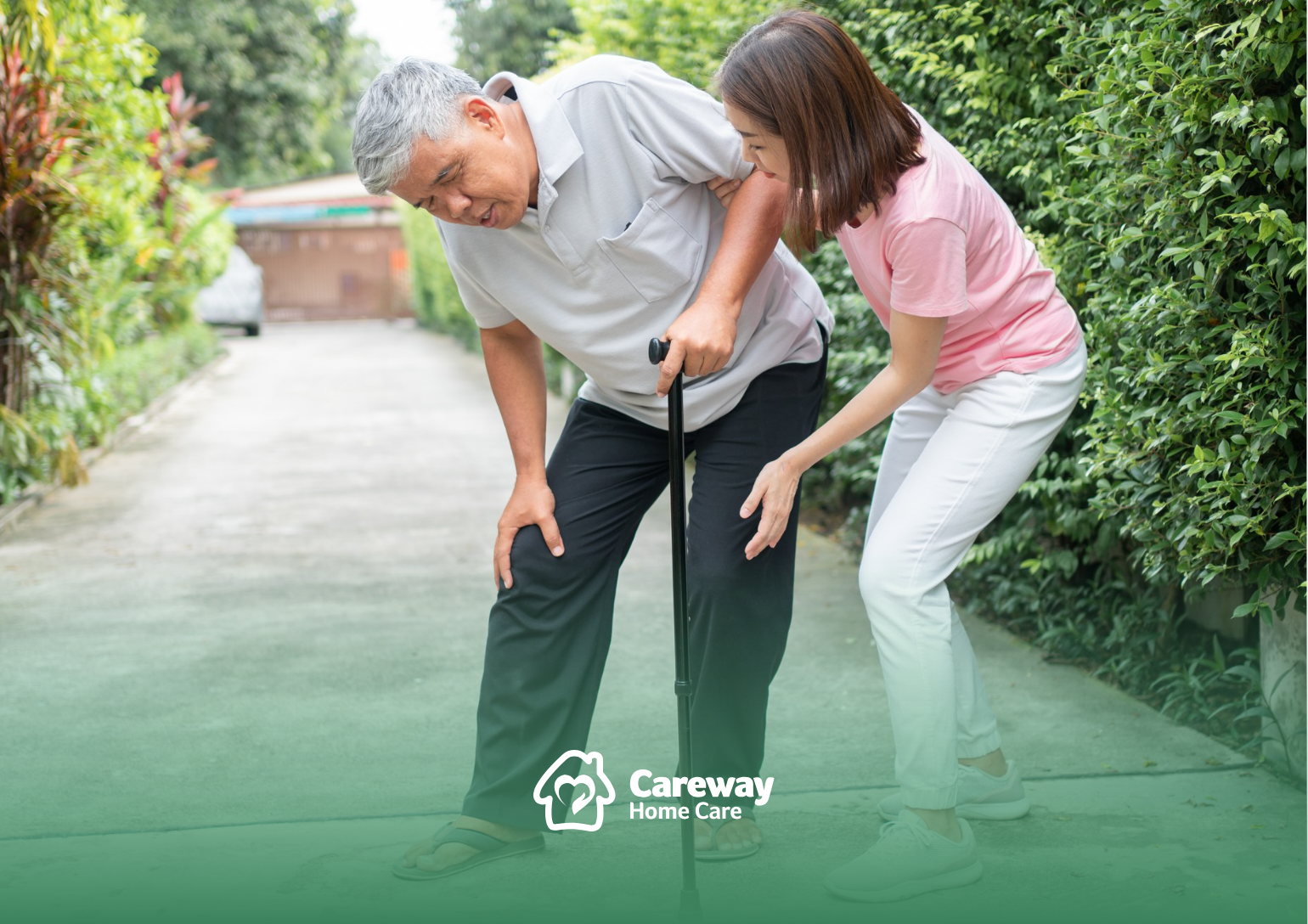
Falls among seniors are a major public health concern, with the Centers for Disease Control and Prevention (CDC) reporting that one in four adults over 65 falls each year. These incidents often result in injuries such as fractures, head trauma, or long-term mobility limitations. Beyond physical harm, falls can negatively impact mental health, leading to fear, reduced independence, and social isolation.
Preventing falls at home is critical because most falls occur in familiar environments like the living room, bedroom, or bathroom. By understanding the risk factors and implementing targeted strategies, families and caregivers can significantly reduce the likelihood of falls.
In this article, we will explore fall prevention strategies for seniors at home, provide practical tips, share real-life case studies from practice, and outline comprehensive approaches that combine safety, mobility, and health monitoring.
Understanding Fall Risks Among Seniors
Falls are rarely caused by a single factor. Instead, they result from a combination of environmental, physical, and medical conditions.
- Environmental hazards: Loose rugs, cluttered walkways, poor lighting, slippery floors.
- Mobility challenges: Weak muscles, poor balance, limited range of motion.
- Chronic conditions: Arthritis, diabetes, neuropathy, and heart disease can affect strength and coordination.
- Medications: Sedatives, blood pressure medications, and polypharmacy increase fall risk.
- Sensory impairments: Poor vision or hearing can reduce spatial awareness.
Example from practice: During home assessments, we’ve seen seniors at high risk of falls due to a combination of dim lighting, unsteady stairs, and medications causing dizziness. Targeted interventions reduced their fall incidents dramatically.
Home Modifications to Reduce Falls
Creating a safer home environment is the first line of defense against falls.
Key Home Safety Measures
- Remove tripping hazards: Secure rugs, clear clutter, and repair loose floorboards.
- Improve lighting: Ensure hallways, staircases, and bathrooms are well-lit. Consider motion-sensor lights for nighttime navigation.
- Install grab bars and handrails: Bathrooms and stairs should have secure support.
- Non-slip surfaces: Apply non-slip mats in bathrooms and kitchens.
- Furniture arrangement: Ensure clear pathways and avoid sharp-edged furniture near walkways.
Case study: One client experienced frequent near-falls in the kitchen due to loose rugs. After replacing rugs with non-slip mats and installing additional lighting, fall incidents stopped entirely.
Mobility Aids and Assistive Devices
Mobility aids can greatly reduce fall risk for seniors with balance or strength issues.
Recommended Devices
- Canes and walkers: Provide support and stability during walking.
- Wheelchairs or scooters: For those with significant mobility limitations.
- Reacher/grabber tools: Reduce the need to stretch or climb to reach objects.
- Shower chairs and raised toilet seats: Enhance bathroom safety.
Observation from practice: We’ve seen clients who initially resisted mobility aids gain confidence and independence after proper training and device use.
Exercise and Physical Activity
Maintaining strength, balance, and flexibility is essential for fall prevention.
Key Exercise Recommendations
- Balance exercises: Tai Chi, single-leg stands, or heel-to-toe walking.
- Strength training: Resistance bands, light weights, or bodyweight exercises.
- Flexibility exercises: Stretching routines to maintain joint mobility.
- Aerobic activity: Walking, swimming, or low-impact exercises improve overall coordination.
Example: In our sessions, seniors participating in weekly balance and strength training showed measurable improvements in gait stability and fewer fall incidents over six months.
Vision and Hearing Care
Sensory impairments can significantly increase fall risk.
Recommendations
- Regular eye exams: Corrective lenses and updated prescriptions improve visual accuracy.
- Proper lighting: Reduce glare and shadows in high-traffic areas.
- Hearing assessments: Hearing aids can improve spatial awareness and balance.
Case study: A senior with declining vision reported repeated falls near stairs. After updating eyeglasses and adding stairway lighting, the risk decreased markedly.
Medication Review
Certain medications increase fall risk by causing dizziness, drowsiness, or hypotension.
Steps to Minimize Risk
- Review medications with healthcare providers regularly.
- Adjust doses or substitute medications causing dizziness or imbalance.
- Monitor for side effects, particularly when multiple medications are involved.
Observation: We’ve seen clients reduce fall incidents after coordinating with their physician to adjust medications contributing to dizziness.
Footwear and Foot Care
Proper footwear is often overlooked but essential for fall prevention.
Recommendations
- Wear shoes with non-slip soles and proper support.
- Avoid loose slippers or socks on smooth surfaces.
- Check for foot problems such as bunions, neuropathy, or fungal infections, and get orthotics if needed.
Example from practice: A client with peripheral neuropathy experienced instability on tile floors. Supportive shoes with non-slip soles significantly improved balance.
Emergency Preparedness
Even with preventive measures, falls may still occur. Preparedness ensures timely assistance and reduces complications.
Recommendations
- Emergency response systems: Wearable devices or personal alarms.
- Accessible phones: Keep phones within reach in every room.
- Clear communication plans: Family or caregiver contact lists in case of emergency.
- First aid knowledge: Training for caregivers on basic fall management.
Case study: A senior living alone fell in the bathroom but was able to call for help using a wearable alert. Immediate assistance prevented serious complications.
Combining Multiple Strategies
Fall prevention is most effective when multiple strategies are combined. A holistic approach includes:
- Home safety modifications
- Exercise and strength programs
- Proper footwear and sensory care
- Medication management
- Emergency preparedness
Observation: We’ve seen the greatest reductions in falls when agencies implement comprehensive, personalized plans tailored to each senior’s health and living environment.
Fall Prevention Checklist for Seniors at Home
| Area | Action Steps | Example from Practice |
|---|---|---|
| Home Environment | Remove clutter, add grab bars, improve lighting | Near-falls reduced after adding night lights and clearing pathways |
| Mobility Aids | Use walkers, canes, and shower chairs | Confidence improved using a properly fitted cane |
| Exercise & Balance | Tai Chi, strength training, stretching | Weekly sessions led to better gait stability |
| Vision & Hearing | Regular exams, corrective devices | Stairway lighting + new glasses prevented repeated falls |
| Medication | Review with provider, adjust doses | Medication adjustment reduced dizziness-related falls |
| Footwear & Foot Care | Non-slip shoes address foot problems | Proper shoes improve balance on slippery surfaces |
| Emergency Preparedness | Wearable alerts, phone access, caregiver plan | Immediate help prevented injury from a fall in the bathroom |
Final Thoughts
Falls are a leading cause of injury among seniors, but with proactive strategies, the risk can be significantly reduced. Home safety modifications, mobility aids, exercise, medication management, and emergency preparedness are all crucial components of fall prevention.
Families and caregivers play a key role in implementing these measures, ensuring seniors maintain independence while staying safe at home. Professional home care services can provide tailored assessments, interventions, and ongoing support. At Careway Home Care, we’ve seen firsthand how personalized fall prevention plans improve confidence, safety, and quality of life for seniors living at home. Reach out today!
Frequently Asked Questions
1. What are the most common causes of falls for seniors at home?
Falls often result from a combination of environmental hazards, mobility challenges, chronic conditions, medications, and sensory impairments.
2. How can home care services help prevent falls?
Professional caregivers can assess risks, implement safety measures, assist with mobility, and monitor health to prevent falls.
3. Which exercises are best for fall prevention?
Balance exercises like Tai Chi, strength training with resistance bands, and stretching routines improve stability and mobility.
4. Are falls preventable in seniors?
Yes, most falls are preventable through a combination of home modifications, exercise, proper footwear, and medication management.
5. What should I do if a senior falls at home?
Ensure immediate safety, check for injuries, call for medical assistance if needed, and review preventive measures to reduce future risks.
Sources:
- https://www.cdc.gov/falls/data-research/facts-stats/index.html
- https://www.nhsinform.scot/healthy-living/preventing-falls/causes-of-falls/
- https://medlineplus.gov/mobilityaids.html
- https://www.sciencedirect.com/science/article/pii/S2667032120300020
- https://orthoticslimited.com/orthotics/