Managing Senior Health Conditions at Home
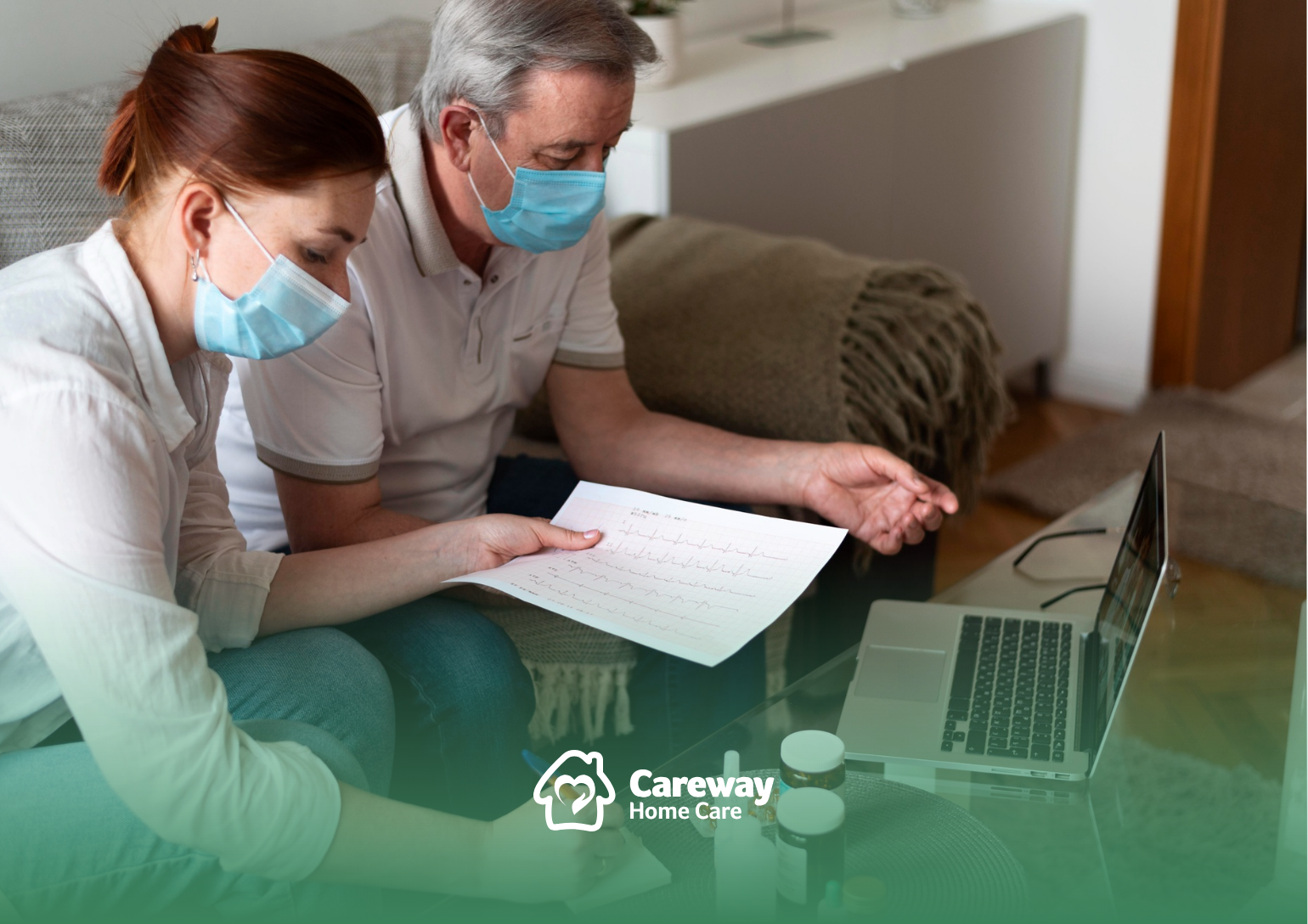
Key Highlights
- Seniors can manage many common health conditions at home with proper care and monitoring.
- Chronic illnesses like diabetes, heart disease, and arthritis require routine checks and lifestyle adjustments.
- Fall prevention, medication management, and nutrition play critical roles in at-home care.
- Technology, mobility aids, and home modifications can improve safety and independence.
- Professional home care can provide support, guidance, and peace of mind for seniors and families.
As seniors age, they often face a variety of health challenges that can affect daily life. Many of these conditions, including diabetes, heart disease, arthritis, and cognitive decline, can be managed effectively at home with the right strategies. Proper at-home care not only supports physical health but also boosts emotional well-being and independence.
Senior Health Conditions Home Management
1. Diabetes Management
Diabetes is a common chronic condition among seniors, requiring consistent monitoring of blood sugar levels and lifestyle adjustments.
Key strategies at home:
- Regular monitoring: Check blood sugar levels at recommended intervals.
- Medication adherence: Ensure insulin or oral medications are taken as prescribed.
- Healthy diet: Focus on balanced meals with controlled portions of carbohydrates.
- Exercise: Gentle activities like walking or chair exercises can improve insulin sensitivity.
- Foot care: Inspect feet daily for cuts, blisters, or signs of infection.
Tips: Using pill organizers, meal planning apps, or wearable glucose monitors can simplify diabetes management for seniors living at home.
2. Heart Disease Care
Heart disease, including high blood pressure and heart failure, affects a significant portion of the senior population.
At-home strategies:
- Medication management: Track daily doses and refill schedules.
- Blood pressure monitoring: Home monitors allow consistent tracking of changes.
- Low-sodium diet: Reducing salt helps manage blood pressure.
- Physical activity: Moderate, doctor-approved exercises strengthen the heart.
- Symptom awareness: Watch for shortness of breath, swelling, or chest pain.
Tip: Keeping a health journal can help seniors and caregivers track symptoms and medication effects over time.
3. Arthritis Management
Arthritis can cause pain, stiffness, and reduced mobility, making everyday tasks challenging for seniors.
Home care approaches:
- Physical therapy exercises: Gentle stretching and strengthening exercises maintain joint flexibility.
- Heat and cold therapy: Warm compresses ease stiffness; cold packs reduce inflammation.
- Pain management: Over-the-counter or prescribed medications may be used under a doctor’s supervision.
- Assistive devices: Canes, walkers, or jar openers reduce strain on joints.
- Home modifications: Non-slip mats and supportive seating enhance safety.
4. Cognitive Decline and Dementia
Memory loss and cognitive decline are common in seniors, with Alzheimer’s being a frequent concern.
Strategies to manage at home:
- Structured routines: Consistent daily schedules reduce confusion.
- Mental stimulation: Puzzles, reading, and memory games help maintain cognitive function.
- Safe environment: Remove hazards and use clear signage for orientation.
- Communication techniques: Simple, calm, and clear instructions reduce frustration.
- Supervision: Regular check-ins or home care support prevent accidents.
5. Fall Prevention
Falls are a leading cause of injury in seniors and can exacerbate chronic conditions.
Preventive measures:
- Home safety assessment: Remove loose rugs, clutter, and poor lighting.
- Mobility aids: Walkers, canes, and handrails provide stability.
- Exercise for balance: Tai chi, yoga, or balance-focused exercises strengthen muscles.
- Proper footwear: Non-slip shoes reduce the risk of slips.
- Medication review: Some medications may cause dizziness or drowsiness.
6. Medication Management
Managing multiple medications can be overwhelming for seniors, but adherence is critical for health.
Tips for at-home medication management:
- Organize with pillboxes: Weekly or monthly pill organizers prevent missed doses.
- Set reminders: Alarms or phone notifications help maintain a schedule.
- Track side effects: Record any unusual symptoms for healthcare provider review.
- Regular review: Consult doctors or pharmacists to adjust medications if necessary.
Example of a Simple Medication Tracking Chart
| Medication | Dose | Time | Notes | Taken (✔/✖) |
| Metformin | 500 mg | 8 AM | With breakfast | ✔ |
| Lisinopril | 10 mg | 8 AM | Check BP before | ✔ |
| Vitamin D | 1000 IU | 12 PM | With lunch | ✖ |
| Aspirin | 81 mg | 8 PM | Heart health | ✔ |
7. Nutrition and Hydration
Proper nutrition supports overall health and helps manage chronic conditions.
Key points:
- Balanced diet: Include lean protein, whole grains, fruits, and vegetables.
- Hydration: Encourage water intake throughout the day.
- Special diets: Some conditions may require low-sodium, low-sugar, or soft diets.
- Meal prep: Batch cooking and portioning meals reduce stress and improve consistency.
8. Emotional Well-Being
Mental health is equally important in senior care. Loneliness, anxiety, and depression can worsen physical conditions.
Supportive strategies:
- Social engagement: Regular visits, phone calls, or online connections.
- Hobbies and interests: Encouraging activities like gardening, painting, or music.
- Mindfulness and relaxation: Meditation or deep-breathing exercises reduce stress.
- Professional support: Therapy or counseling can be arranged in-home or virtually.
9. The Role of Professional Home Care
While family caregivers play a critical role, professional home care provides additional support. Trained caregivers can assist with:
- Medication management and reminders
- Monitoring chronic conditions
- Mobility support and fall prevention
- Companionship and social engagement
- Meal preparation and nutrition planning
Professional home care can give families peace of mind while ensuring seniors remain safe, healthy, and comfortable at home.
Final Thoughts
Professional home care services, like those offered by Careway Home Care, are designed to help seniors manage common health conditions at home safely, comfortably, and with dignity. With the right combination of lifestyle adjustments, monitoring, and supportive care, seniors can maintain independence and improve their quality of life. Contact us today!
Frequently Asked Questions
1. Can seniors manage multiple chronic conditions at home safely?
Yes, with structured routines, proper monitoring, and support from caregivers or home care services, seniors can effectively manage multiple conditions at home.
2. How often should I check vital signs like blood pressure or blood sugar?
Frequency depends on the condition and the doctor’s recommendations. Many seniors check their blood pressure daily and their blood sugar multiple times per week or as prescribed.
3. What home modifications are most helpful for seniors?
Non-slip mats, grab bars, adequate lighting, ramps, and supportive furniture all reduce risk and improve independence.
4. How can technology help manage senior health at home?
Devices like blood pressure monitors, glucose meters, medication reminders, and emergency alert systems can simplify care and improve safety.
5. When should professional home care be considered?
If managing medications, mobility, or chronic conditions becomes overwhelming, or if there’s a risk of falls or cognitive decline, professional home care can provide valuable support.
Sources:
- https://www.ncoa.org/article/the-top-10-most-common-chronic-conditions-in-older-adults/
- https://www.nia.nih.gov/health/diabetes/diabetes-older-people
- https://medlineplus.gov/ency/article/004006.htm
- https://www.nia.nih.gov/health/memory-loss-and-forgetfulness/memory-problems-forgetfulness-and-aging
- https://pmc.ncbi.nlm.nih.gov/articles/PMC7093636/
- https://www.myplate.gov/life-stages/older-adults