
Types of Home Care Services for Seniors
Key Highlights
- Home care helps seniors stay safe, healthy, and independent at home.
- Services include personal care, health support, companionship, and household help.
- Specialized care options cover memory support, respite, and 24/7 assistance.
- Professional assessments ensure seniors get the right care for their needs.
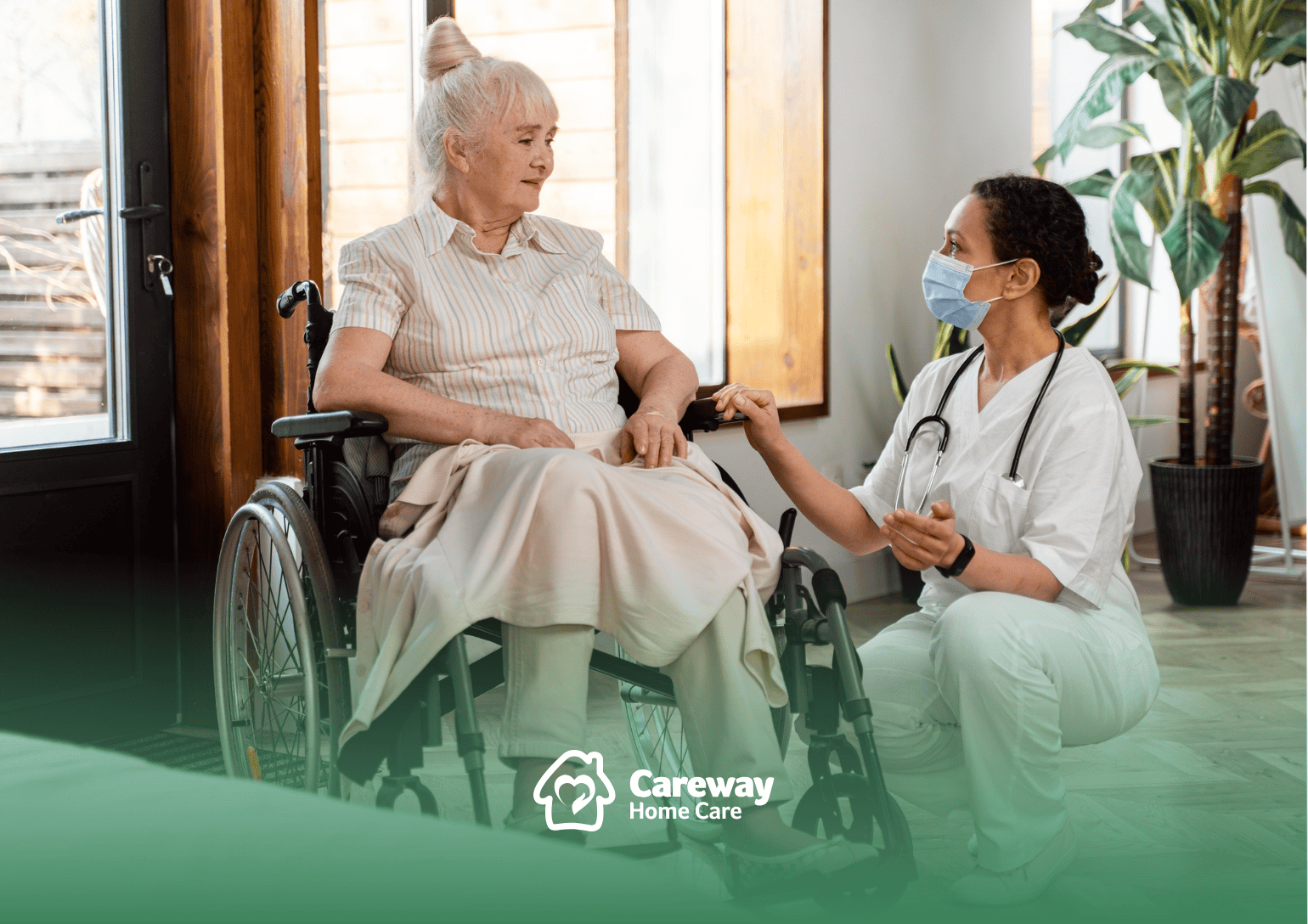
Aging in place is more than a preference—it’s a meaningful choice that allows seniors to live in familiar surroundings while receiving the support they need to stay safe, healthy, and engaged. Home care services for seniors offer flexible, personalized assistance for older adults who may need help with everyday tasks, health support, or social engagement. With the right care in place, seniors can maintain dignity, independence, and quality of life.
In this comprehensive guide, we’ll walk you through the most common types of home care services available to seniors, what each service includes, and how they help older adults thrive at home.
What Are Home Care Services for Seniors?
Home care services are tailored supports provided in a senior’s own home. These services are designed to meet individual needs—from practical help with daily tasks to specialized health support. Unlike facility-based care, home care allows seniors to age comfortably in their own environment.
Home care is typically split into several broad categories, each serving a unique purpose:
- Personal and Daily Living Support
- Health and Wellness Services
- Companionship and Emotional Support
- Household and Lifestyle Assistance
- Specialized and Additional Services
Let’s explore each of these categories in detail.
1. Personal and Daily Living Support
Personal care services focus on assisting with basic activities of daily living (ADLs), which may become challenging with age, illness, or mobility limitations. The goal is to preserve dignity and independence while ensuring that seniors have the help they need.
Key Personal Care Services
- Bathing and Grooming: Support with bathing, showering, brushing teeth, and personal hygiene.
- Dressing Assistance: Help select clothing and get dressed.
- Mobility and Transfers: Aid moving safely from bed to chair, walking, or navigating stairs.
- Toileting and Continence Support: Assistance with toilet use or continence management.
- Feeding Assistance: Helping with meals or eating when needed.
These services are often foundational for seniors who want to remain at home but need help with routine bodily care.
2. Health and Wellness Services
Some home care supports are health-focused and aim to help seniors manage medications, exercise safely, or recover from illness or surgery.
Common Health Support Services
| Service Type | What It Includes |
| Medication Reminders | Helping seniors remember when to take prescriptions and coordinating with pharmacies. |
| Diet and Nutrition Oversight | Planning meals that adhere to dietary needs (e.g., diabetes, cardiac diets). |
| Vital Monitoring & Health Checks | Observing health signs and reporting changes to family or healthcare providers. |
| Post-Surgery Support | Helping with recovery routines, wound care, or follow‑up exercises. |
| Exercise Assistance | Supporting prescribed exercises to improve mobility and reduce fall risk. |
These services can bridge the gap between full medical care and daily living support, ensuring seniors stay as healthy and stable as possible at home.
3. Companionship and Emotional Support
Human connection matters at every age—especially for seniors who may live alone or have limited social interaction. Companion care focuses on emotional well‑being and quality of life.
Companionship Services Include:
- Friendly Interaction: Engaging conversations and shared activities.
- Walks and Social Outings: Accompanying seniors to parks, community events, or family gatherings.
- Support with Hobbies: Encouraging participation in enjoyable activities like reading, crafts, or games.
- Community Engagement: Connecting seniors with local events or social groups.
Companionship helps combat feelings of loneliness and supports mental and emotional health, which are crucial to overall wellness.
4. Household and Lifestyle Assistance
Maintaining a home can be tiring, especially when daily tasks become difficult. Home care includes support that helps seniors manage their living space and everyday responsibilities.
Essential Household Services
- Meal Preparation: Planning and cooking meals according to dietary needs.
- Light Housekeeping: Cleaning, laundry, and tidying common areas.
- Grocery Shopping & Errands: Picking up groceries or essentials.
- Transportation Services: Safe rides to medical appointments, social events, or errands.
By assisting with these tasks, caregivers help seniors maintain a clean, safe, and comfortable home environment.
5. Specialized and Additional Services
In addition to core care categories, there are specialized services seniors might need depending on their health status, lifestyle, or family situation.
Examples of Specialized Services
- Memory Care Support: Assistance designed for seniors with Alzheimer’s or dementia.
- Respite Care: Temporary care that gives family caregivers a break or support during transitions.
- Safety Monitoring: Regular checks to prevent falls and accidents.
- 24/7 or Live‑In Care: Continuous support for individuals with significant needs.
These services are tailored to meet evolving needs while focusing on comfort, safety, and stability at home.
Choosing the Right Home Care Services
Choosing the right home care starts with understanding a senior’s unique needs and preferences. A professional care assessment can help determine whether occasional companionship, daily personal support, or specialized medical supervision is best. Many seniors benefit from a combination of services that can adapt as their needs change.
With the right support, seniors can maintain independence, health, and overall well-being—while staying comfortably at home. For compassionate, flexible home care tailored to your loved one, Careway Home Care is here to help. Contact us today!
FAQs About Home Care Services for Seniors
1. What exactly does personal care include?
Personal care covers help with daily activities such as bathing, dressing, grooming, toileting, and mobility support.
2. Can home care help with medical needs?
Yes, home care often includes health‑related support such as medication reminders, diet oversight, and recovery assistance after surgery.
3. Will caregivers provide emotional support?
Absolutely. Companion care offers social interaction, meaningful conversation, and engagement in activities to reduce loneliness.
4. Is transportation included in home care services?
Many providers assist with transportation to appointments, errands, and social events.
5. How do I know which services my loved one needs?
A thorough care assessment by trained professionals helps determine the right mix of services based on health status, daily challenges, and personal goals.
Sources:
- https://www.myplate.gov/life-stages/older-adults
- https://www.aplaceformom.com/caregiver-resources/articles/adls-iadls
- https://www.nia.nih.gov/health/loneliness-and-social-isolation/loneliness-and-social-isolation-tips-staying-connected
- https://www.alz.org/alzheimers-dementia/what-is-dementia
- https://www.mayoclinic.org/diseases-conditions/alzheimers-disease/symptoms-causes/syc-20350447
- https://www.hbrhc.com/blog/what-seniors-gain-by-letting-go-of-household-task